


I Want to Learn the Cello!
During my Senior year of high school, I began to reminisce about how I used to play violin when I was younger, but violin wasn’t my first instrument of choice–it was the cello.
Now that I’m older, I decided it was the perfect time for me to finally learn the cello! I thought about taking cello courses, but I decided that I wanted to learn on my own time, avoid lesson fees, and not have to take my cello back and forth. So, whether you want to play percussion, brass, strings, or anything else, here are some highlights and tips from a self-taught cellist of three years.
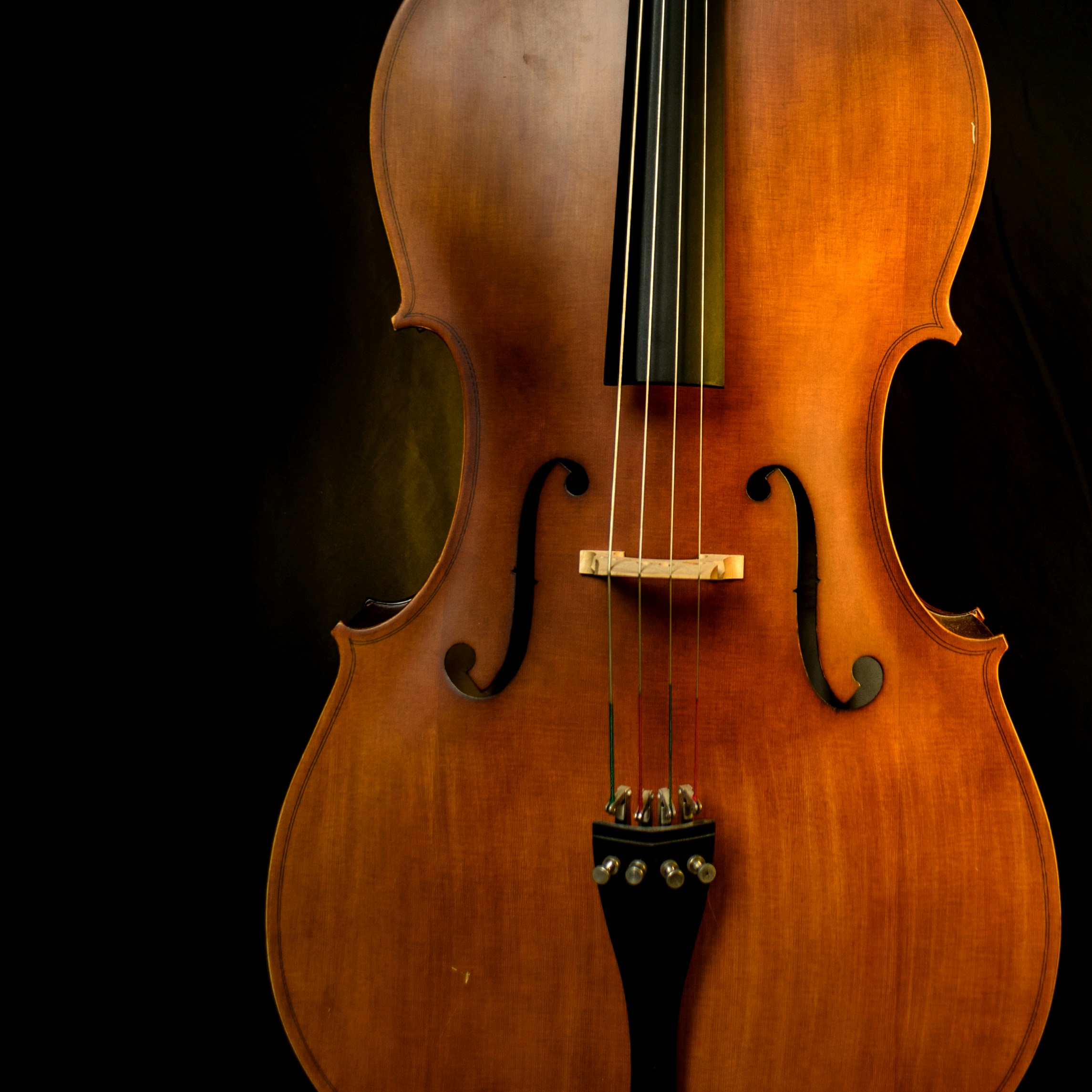
Image Credit: Dominik Scythe from Unsplash
Let us slide into your dms 🥰
Get notified of top trending articles like this one every week! (we won't spam you)My First Step
I ended up purchasing a Strumenti a corde 106 Student Cello - 4/4 (full size) from Prince Music Company. I really recommend this store because they are beginner-friendly (especially for students) and they offer great deals throughout the year (I bought my cello for ~$440.00 from the original price that was ~$800.00).
Another tip is to research the care instructions of the instrument you want to buy! This is crucial because it can drastically determine the life of your instrument. Most instruments don’t do well in humid, very hot, or very cold climates. I would suggest buying a humidifier monitor (hydrometer available on Amazon), instrument cases (for the cello, get a hard case–I recommend the Bellafina case, it has wheels!)
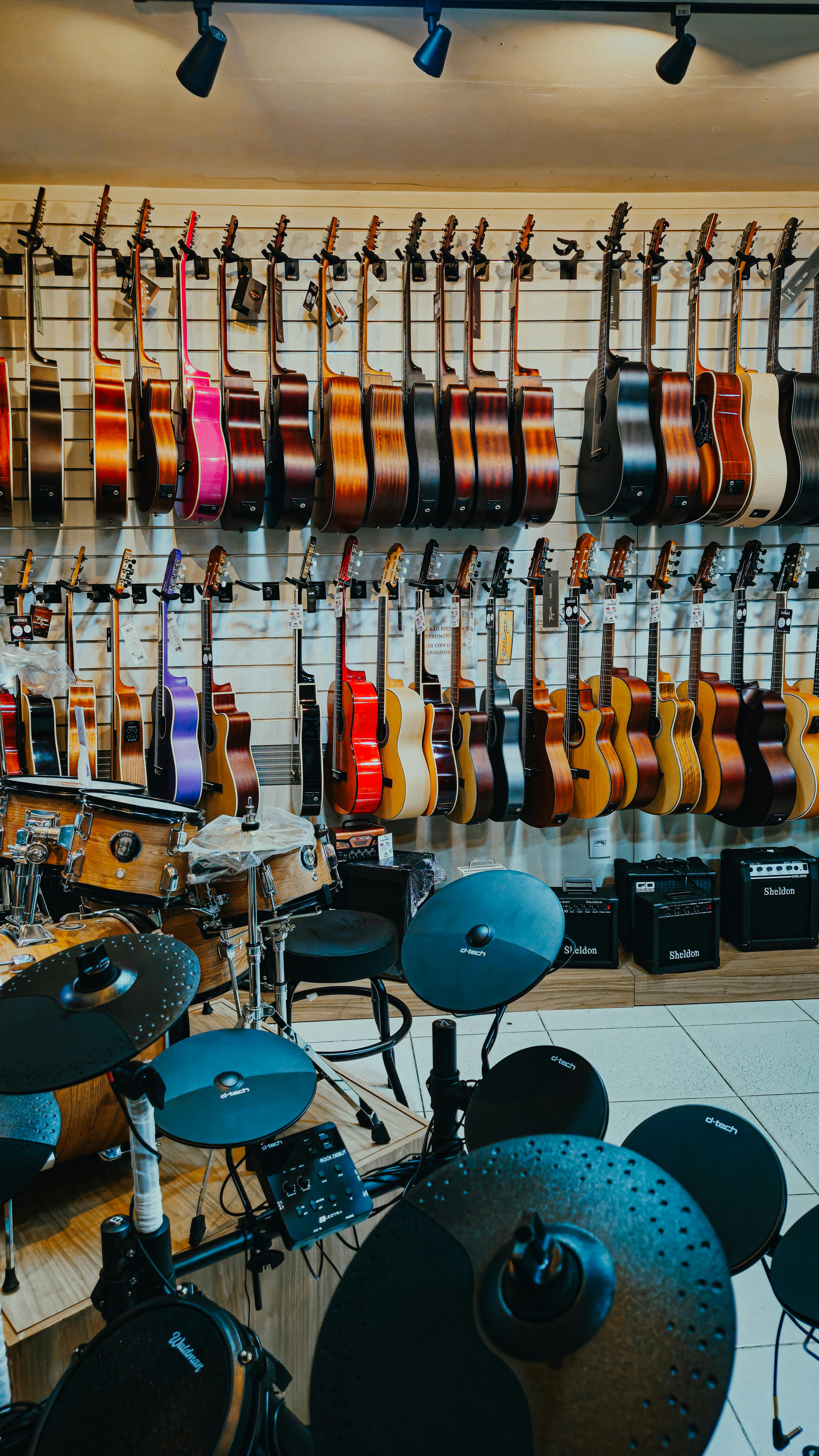
Image Credit: Ivett M from Pexels
After purchasing your instrument, the first day should be what I like to call a “tour day.” This is the moment where you will get to know the function of your instrument, how to hold it, tuning (if necessary), and the different sounds your instrument can make. Don’t feel stressed if you can’t play an actual note at this time; the purpose of the “tour” is to explore and observe the buttons, strings, pegs, and qualities of your instrument.
The day I got my cello, I learned the strings and observed the different sounds the cello makes depending on where I placed my finger on the fingerboard. A tip that I have is to use “note stickers” to place on your instrument to learn notes, chords, and finger placements. I didn’t use these when playing the cello, but when I was learning the piano, I used paper and clear tape (doesn’t have to be fancy!) Don’t be afraid to start with the basics!

Take the Quiz: Which Instrument Family Do You Belong in?
This quiz will determine which instrument family you should explore
PRACTICE, PRACTICE, PRACTICE!
As a freshman in college, I was super busy, and it was hard for me to sit down and practice my cello consistently. Depending on your personal lifestyle, I recommend building a schedule where you can practice at least once or twice a week, which is essential for maintaining your instrumental knowledge. There were times when I wouldn’t practice for a while, and when I finally decided to practice, I had to relearn concepts such as notes and finger placement all over again, which can feel like a major setback in my journey.
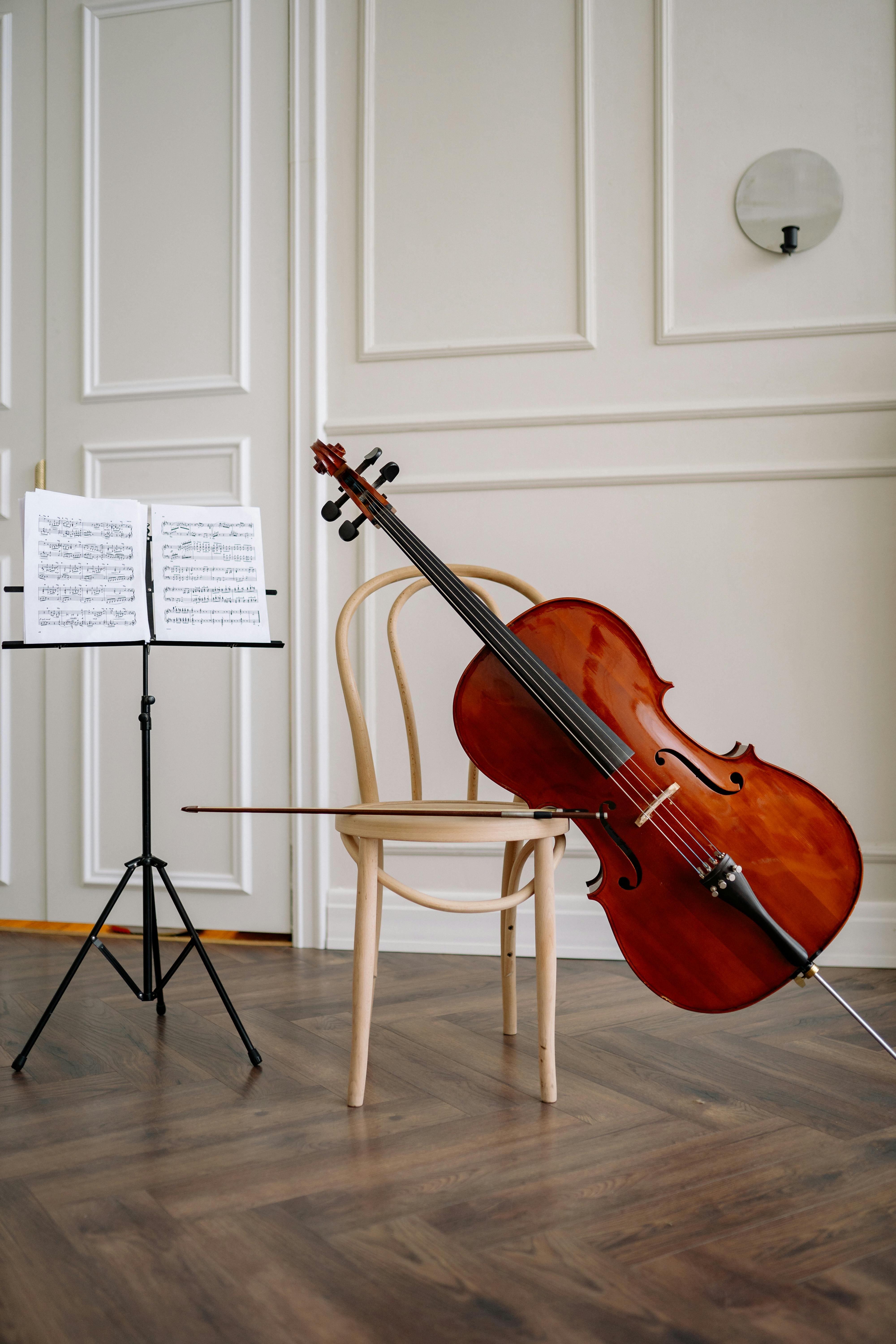
Image Credit: Yan Krukau from Pexels
To avoid that, pick days that work best for you. For example, Saturdays and Sundays are the days when I have the most downtime and energy to do things other than homework, so I strive to practice on these days instead of practicing throughout the week. A tip for practicing is not practice for hours and hours!
That will cause muscle fatigue and wear you out. Try to practice at least 10-30 minutes so you can avoid straining yourself and create a schedule that you can consistently follow in the future. Remember, “practice, practice, practice!”
Instrument Books > Online Resources
Along with finding the right time to practice, one of the hardest parts of learning the cello has been finding good sheet music. YouTube is a great source, but in my experience, that’s for more common instruments such as Violin, Guitar, Piano, etc.
For the cello, and any instrument for that matter, I would recommend buying a music book for your instrument. Music books can be found at almost any instrument store, and there are different volumes you can buy depending on your skill level.
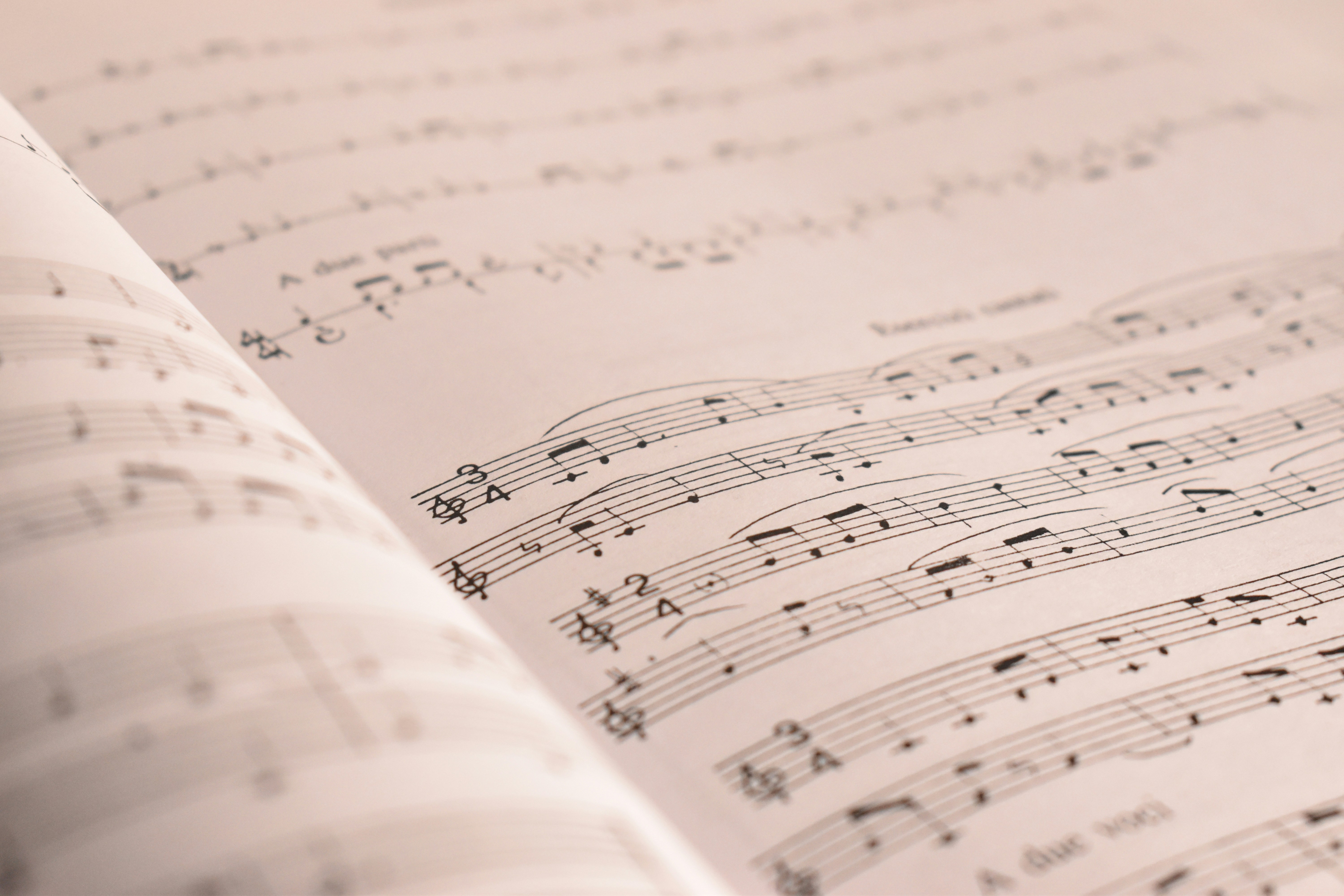
Image Credit: Tommy Diner from Unsplash
I dislike online resources because they are very limiting in the sense that for a lot of them, you will need to either pay a subscription fee to view a song or gain full access to the song. With music books, they are tangible, physical copies that are one-time purchases, and you avoid paying any unnecessary fees. It’s a great way to learn where the notes are on the music staff.
You Are Always Learning
From researching, buying, and tailoring the cello to fit my lifestyle, keep in mind that learning never ends, and that’s not a bad thing!
Regardless of which instrument you choose, there is always room for improvement when playing an instrument. In my experience, I have learned that you can’t rush the process of learning the cello or any instrument. Being a self-taught instrument player takes a lot of time, research, energy, and practice, but it’s definitely possible! It’s also very rewarding when you finally nail your first full-length song, or even in my case, tune your cello the correct way.
One pro that I have found during my journey is that I get to move on my own time, and I am free of judgment. I don’t feel rushed by an instructor nor embarrassed when I hit the wrong note. Learning an instrument can be very hard, and I’m glad that I get to go at my own speed and lean on my own patience.
I am now in year three of being a self-taught cellist, and I’m still learning a lot about the cello. I’m currently searching for more songs to play and exploring different styles the cello is capable of playing. Don’t give up, and thank you for reminding me that I have to go practice my cello!