






Once upon a time (2018), “evergreen content” was the gold standard of online publishing. You know, articles like “How to Focus Better in School” or “10 Study Tips That Actually Work.” Stuff that’s always relevant — whether it's July 2025 or October 2032.
But now, in the age of AI, when news breaks faster than your phone battery dies and ChatGPT can write 500 words in under five seconds, some are asking:Is evergreen content still a thing? Or is it going extinct?
So it’s fair to ask: what’s the point of writing an article that’s meant to last forever? Why write about something timeless when the world’s attention span is shorter than a YouTube ad?
Let us slide into your dms 🥰
Get notified of top trending articles like this one every week! (we won't spam you)What exactly is evergreen content?
If you’ve ever Googled “how to start a podcast,” “study tips that actually work,” or “how to manage money in your teens” you'll land into what we call "evergreen content." These are articles that stay relevant long after they’re published. They aren’t tied to trends, viral moments, or breaking news. They just stick around.
Evergreen content is designed to answer questions people are always asking — not just this week, but every week. Unlike news stories or celebrity gossip that get outdated faster than a trending audio, evergreen articles can keep getting clicks, shares, and comments for years. Which in theory sounds great, however how relevant are they when AI can write that same thing in a matter of seconds. And probably better than you (respectfully).
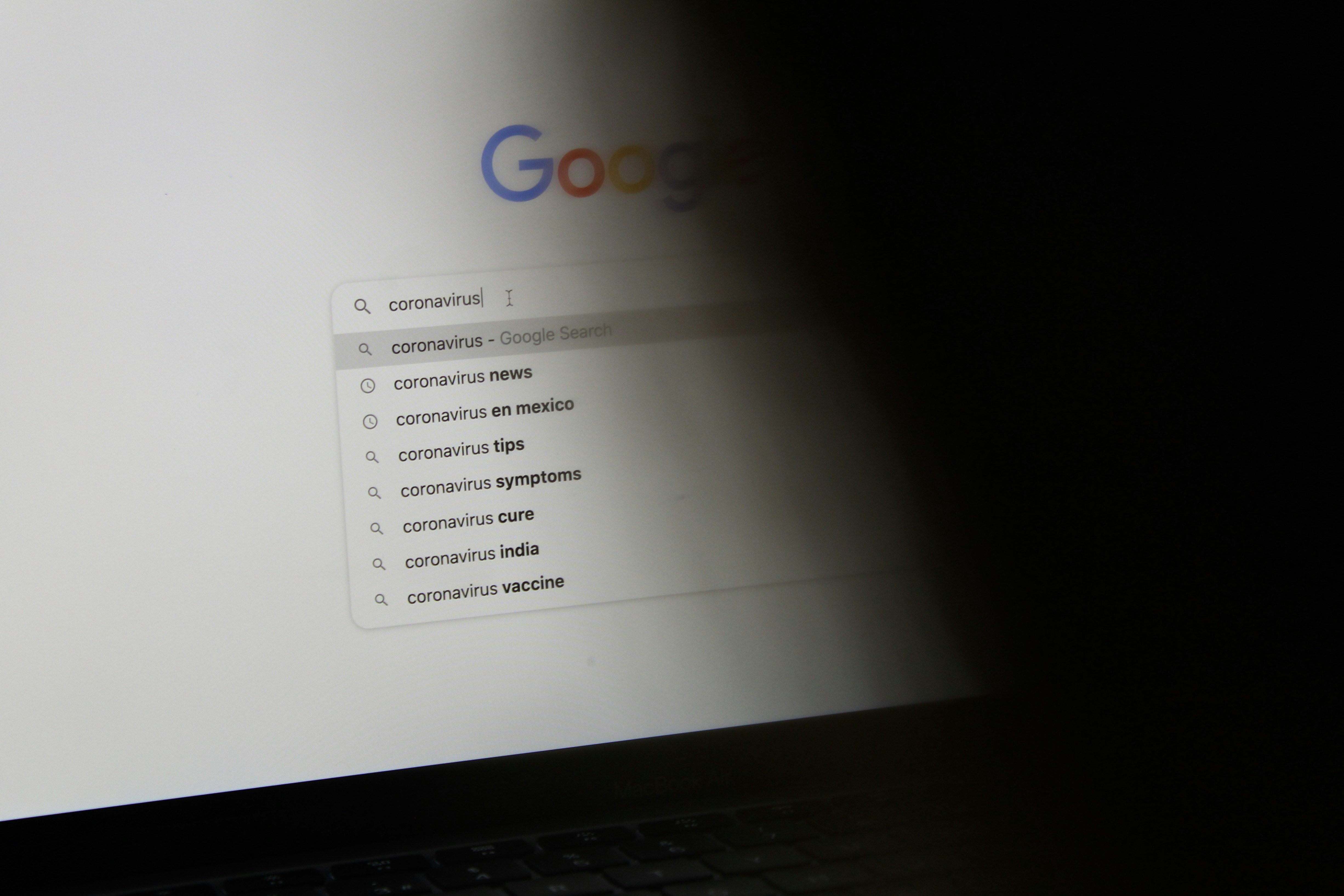
Image Credit: Photo by Lucia Macedo on Unsplash


Take the Quiz: Which Harry Potter Character Are You?
Find out which character matches your personality!
Evergreen articles are too generic
Let’s be honest: if you want to know how to do literally anything — like writing a college application essay — you’re not scrolling through a wall of blog posts anymore. You’re just asking ChatGPT.
Why sift through 10 articles, skim past the SEO stuffing, scroll through ads, and hunt for the information you need, when an AI assistant can give you exactly what you’re looking for in 5 seconds? Not just a summary, but a personalized, structured response that fits your situation.
And unlike evergreen articles, which are written to be broad and general so they appeal to as many people as possible, AI can take the same topic and rewrite it just for you. “How to Study for Exams” suddenly becomes “How to Study for Your Syllabus in Organic Chemistry.” That's something a generic blog post just can’t match.
The Oversaturation Problem
Even before AI came in swinging, evergreen content had already started losing its magic. Why? Because everyone was writing it.
Content mills, freelance writers, marketing teams, influencers with ghostwriters — you name it. If you had access to the internet, you could start writing. The internet got clogged with endless versions of the same tips, hacks, and how-tos.
Search engines are overwhelmed. Readers are tired. And most evergreen articles are now buried under a mountain of nearly identical content that offers nothing new.
In short: the evergreen strategy stopped working before AI started writing full articles in a single prompt. AI just put the final nail in the coffin.

Image Credit: Photo by Abdelrahman Sobhy on Unsplash
What's rising instead: opinion, niche, and human voice
So what is relevant in this new era? Content that does what AI can’t.
These include:
- Opinionated takes on trending issues
- Personal stories with emotion and nuance
- Niche expertise that only a specific person or community understands
- Unexpected combinations of ideas, culture, identity, and experience
- Original reporting, interviews, and behind-the-scenes moments
People don’t want to scroll through “10 Tips for Time Management” anymore. They want to read, “I Failed Out of College Because I Couldn’t Manage My Time — Here’s What I Wish I Knew at 18.” See the difference? It’s not about what you say.
It’s how you say it. And whether only you could’ve said it that way.
That’s the kind of content AI can’t replace — at least not convincingly.
So are evergreen articles dead?
Pretty much. Or at least, they’re dying a quiet death in the shadows of AI interfaces and oversaturated search results. The future of content isn’t in writing another listicle.
It’s in creating content that feels human. It's in embracing two things: originality and specificty. Not just general how to guides that can be beaten by any AI bot.
Sure, you might still need a good evergreen article here and there, but it’s no longer the strategy that wins. It’s the default — the baseline. And in a world where everyone (and everything) is creating content, baseline is invisible.