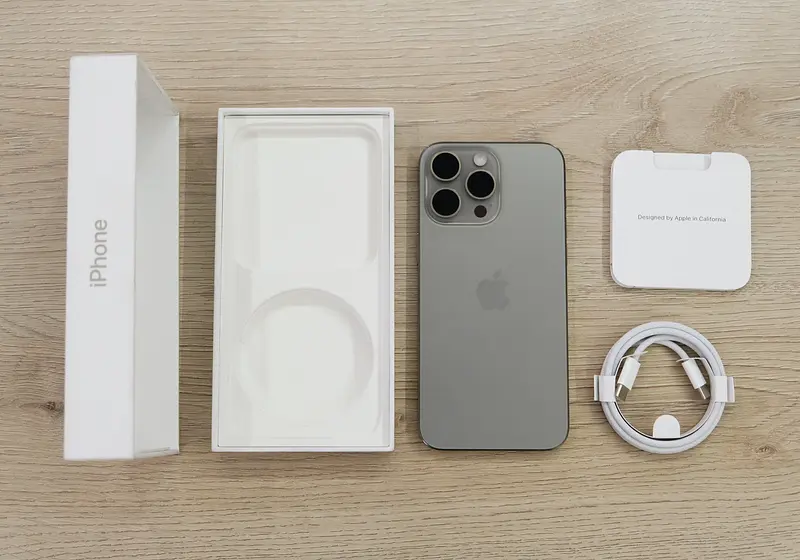




Apple once again pulled the tech world’s attention to its September 9th annual Apple event, announcing its newest iPhone 17 series, updating Apple Watches, and releasing AirPods Pro 2. All of them receive the upgrades users have been calling for: a bigger screen, lighter mass, all-day battery life for TikTok, gaming, and Spotify, and smoother interactions.
However, Apple is likely playing its old tactic: dropping the better functions of more expensive devices to cheaper devices after a few years and upgrading chips. If you were to expect a total revolution of devices like the release of iPhone X on November 3, 2017, this year might not be the dramatic dye. Instead, it feels more like a safe haircut.
Let us slide into your dms 🥰
Get notified of top trending articles like this one every week! (we won't spam you)iPhone 17 Air
The new member of the iPhone family is the iPhone 17 Air. With its 5.6mm thickness, it becomes the third thinnest Apple device among iPhones and iPads, after the 5.3mm thick iPad Pro 11-inch and 5.1mm thick iPad Pro 12.9-inch, both released in 2024. In fact, it’s thinner than 4 U.S. pennies stacked together!
This new model reveals Apple's efforts to develop the new iPhone model since the iPhone 12 series was introduced in 2020. The “fourth model” of the iPhone lineup has evolved each year: iPhone mini (12 and 13), iPhone Plus (14, 15, and 16), and now iPhone Air. While the portability of the Mini and the big screen of the Plus are appealing, I’ve never seriously considered those models when upgrading.
They lack the advanced features of the Pro line, yet still cost more than the standard version. This suggests that Apple has been trying to meet the customers' demand and find the best model that can sell just as well as the other models.
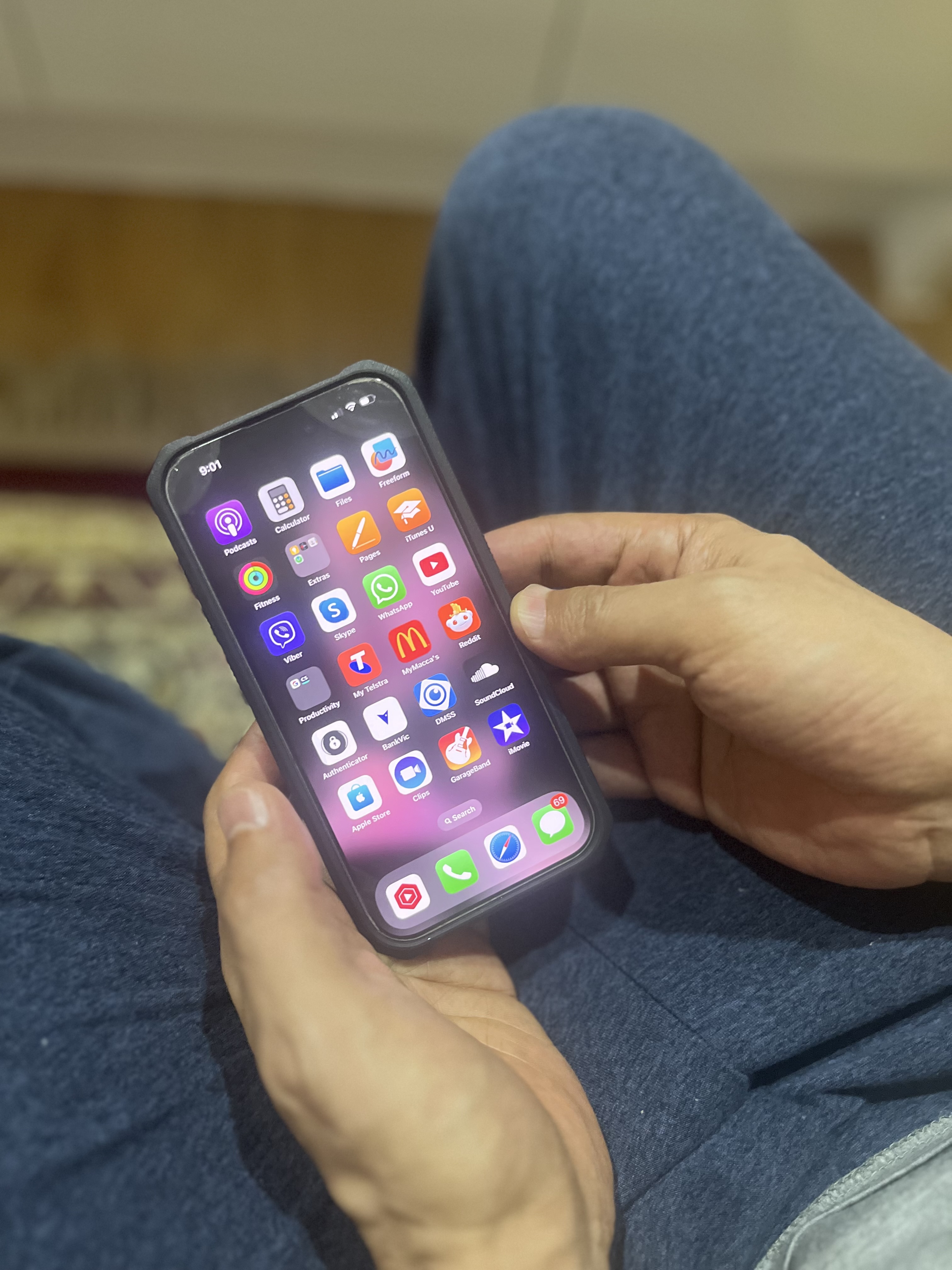 Image Credit: OneTrueKingLives from Wikimedia Commons


Take the Quiz: Which Blade Angel best represents you?
Are you more like Alysa, Amber, or Isabeau?
iPhone 17 Pro & Pro Max
Different from the titanium used in the iPhone 16 Pro, the 17th generation will use aluminum to build its chassis. Therefore, iPhone 17 Pros will be more durable than iPhone 16 Pros, but they might not be as resistant to scratches. In a school where your phone can easily fall on the ground by physical contact and moving around from class to class, the iPhone 17 is more prone to losing its beautiful appearance.
Additionally, the cameras on the back of the iPhone, along with the flashlight and LiDAR sensor that can 3D scan the view to make more realistic pictures, are going to take up the entire upper space of the back of the iPhone. Now you can no longer play “seesaw” when your iPhone is lying on the table.
Classically, the new iPhone will get an upgrade in its chip. A19 Pro, with an even faster computing speed, will empower iPhone 17 Pro.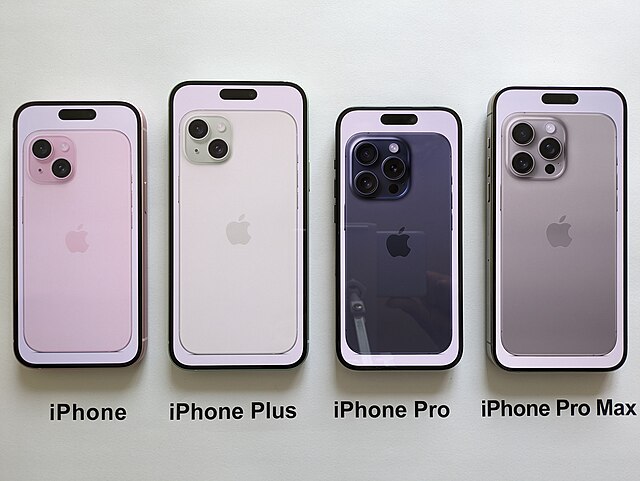
Image Credit: Ka Kit Pang from Wikimedia Commons
iPhone 17
For the first time, the regular iPhone gets ProMotion, the feature that refreshes the screen 120 times per second and used to be only on the Pro models. This means that when you scroll quickly on your screen or play games, it will be smoother, and the actions seem more seamless. With a cheaper price, we can finally get the feeling of the Pro models. A similar feature dropped down to standard is the screen size: the 6.3-inch screen featured in iPhone 16 Pro is now used for iPhone 17.
Along with the iPhone 17 Pro, its standard version also received a chip upgrade, even though it’s only a standard A19.
Apple Watch 11, Apple Watch Ultra 3, and Apple Watch SE
All three models of the Apple Watch family are upgraded this year, which gives us so many choices, and Apple is clearly trying to attract all potential customers with different lifestyles. All the watches now can produce sleep quality scores for users’ reference, have 5G internet, contain the new S10 Chip, and have lengthened battery capacity. Now, users are able to sleep with their Apple Watch on because the battery can last until the second day.
Similar to previous years, Apple’s signature health monitor is upgraded. This year, Apple Watch 11 has a twice as scratch-resistant screen, as well as new color options to choose from. Additionally, it can now notify users of their chronic high blood pressure.
The Apple Watch Ultra 3 comes with even more advanced sports functions: built-in satellite communication, a 42-hour battery life in normal usage, and more advanced metrics produced for each sport. Personally, I own an Apple Watch 8, and it’s totally enough for me to live in a high school and play casual sports. Unless you’re climbing mountains instead of climbing the bleachers for football games, the Ultra is overkill.
Bad news is, the ‘budget’ Apple Watch isn’t really budget anymore. Apple Watch SE, the watch that is cheaper than the standard Apple Watches and Ultra, has now raised its price to the same as the Apple Watch 11. On the other hand, it gets an always-on and more scratch-resistant screen, a bigger battery, and wrist temperature sensing, which explains the rise.
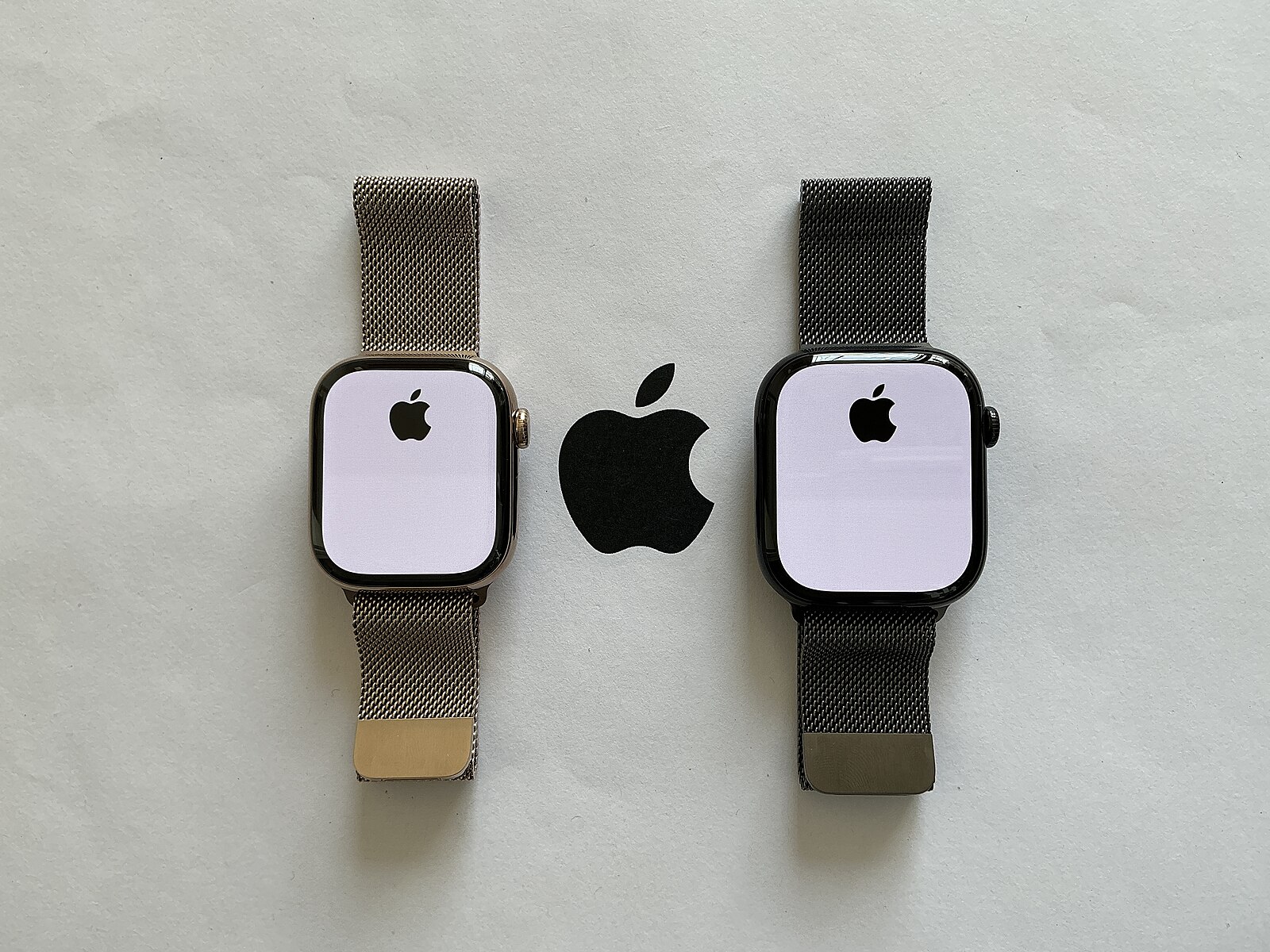
Image Credit: KK IN HK from Wikimedia Commons
AirPods Pro 3
Three years after its predecessor, AirPods Pro 2, was released, AirPods Pro 3 is finally here. While there are standard technology improvements, improved sound quality, and even better active noise cancelling brought by its new chip, heart rate detection is being added to AirPods.
Now it can tell you when you are freaking out about preparing for the SAT while listening to music. With this new feature, Apple now closes its healthcare service loop: from car crash detection on iPhone, multiple health detection functions on Apple Watch, to heart rate monitoring on AirPods, Apple demonstrates its strong brand reputation for building and caring for user health.
However, this new feature conflicts with that of the Apple Watch. Personally, I won’t wear only AirPods when I’m exercising. Sometimes I even only wear the watch when I’m participating in competitive sports, such as tennis or basketball. If you already have an Apple Watch like me, don’t really go to loud areas, just want to hear music, and won’t likely feel the improved “sound quality,” AirPods Pro 2 is really good enough with the dropping price.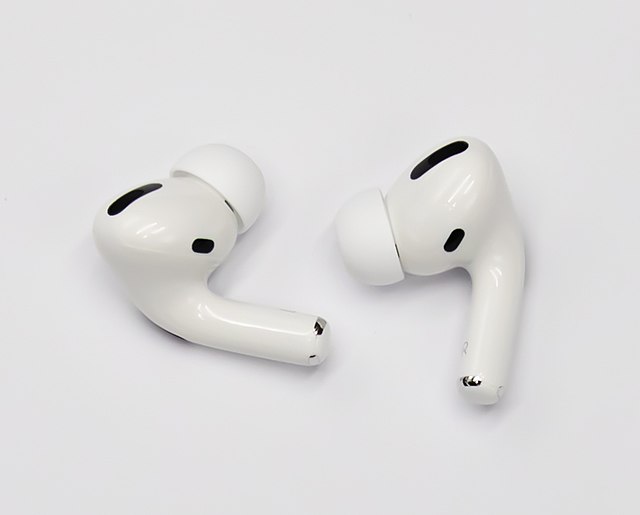
Image Credit: Arne Müseler from Wikimedia Commons
Personal Connection & Would I Buy It?
In the past three years, my life has been enhanced by Apple. My MacBook, iPad, iPhone, iWatch, AirPods, and even HomePods can work together to help me concentrate during homework and writing. While I work, I use my iPad to browse resource articles, my Mac to write, HomePods or AirPods to play music, my iWatch to keep track of time, and set my phone to Do Not Disturb mode so notifications will not pop up on any devices. When I need to transfer files or photos, AirDrop is so much faster than any other transfer media.
Sometimes, there are weird instances where AirDrop isn’t working, and I never use some of the functions brought to me by upgrading my devices. For example, the Walkie-Talkie App on my watch, the fast notes on my Mac when I move my cursor to the right corner, and the physical camera button on my iPhone 16.
Looking at this year's upgrade, none of the new perks actually catches my interest. I don’t really mind the weight or thickness of my devices, the already-sharp picture quality, nor the new material used to build the body of my phone. Therefore, I won’t bother to upgrade any of my devices.
Conclusion
Even though I’m not upgrading to anything new this year, the Apple event still reminds me of where we are and the era we live in. With a top 25.71% market share in the global smartphone market, Apple leads the world. Every time it releases new products, other companies would likely follow to prevent themselves from losing customers.
In the next few years, we might see even better designs and the rumored Apple "foldable" phone coming. Let’s just wait one more year.