



Protein is all over the place. Whether it’s in bars, powders, fancy smoothies or your dinner plate, you’ve probably heard how “important” it is. And it is.
But what happens when you have too much? Especially as a teen, when your body is still growing and you need more than most people realise. Let’s break it down.
Let us slide into your dms 🥰
Get notified of top trending articles like this one every week! (we won't spam you)Why Is Protein Important?
Protein is one of the body’s major building blocks. It helps with:
• Repairing and building muscles, especially after workouts or sports
• Supporting healthy hair, skin, nails
• Fueling immune system functions
• Maintaining metabolic processes, which is how your body uses energy
When you’re busy with school, sports, friends, training, social life, etc. your teen body is working hard. Protein helps keep up.
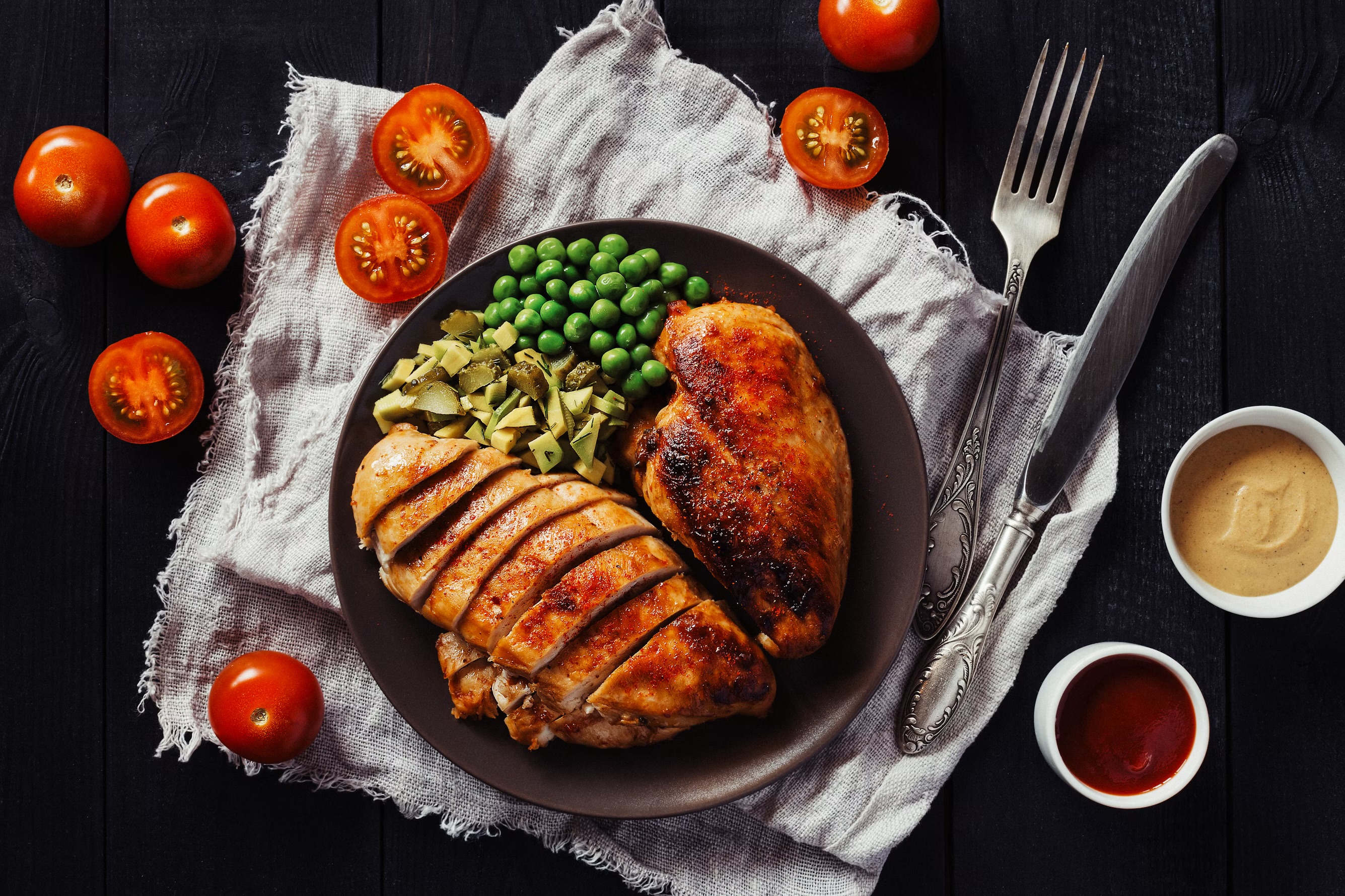
Image Credit: Elena Leya from Unsplash

Take the Quiz: What’s Your Perfect Skincare Product for the 'Clean Girl' Look?
Take this quiz to discover the perfect skincare product for your “clean girl” routine!
How Much Protein Do Teens Need?
• According to a study from North Dakota State University, for most teens, the recommended daily amount (RDA) is about 46 g of protein for girls and 52 g for boys aged 14-18.
• In more approximate terms, a useful range is 0.8 to 1.2 grams per kilogram of body weight per day for many teens.
• The official macronutrient guidance says that protein should contribute roughly 10-35% of your daily calories.
As long as you’re a high-level athlete or doing intense training, you don’t need massive amounts of protein. Getting around the RDA (46-52 g) plus a little for activity is usually enough.
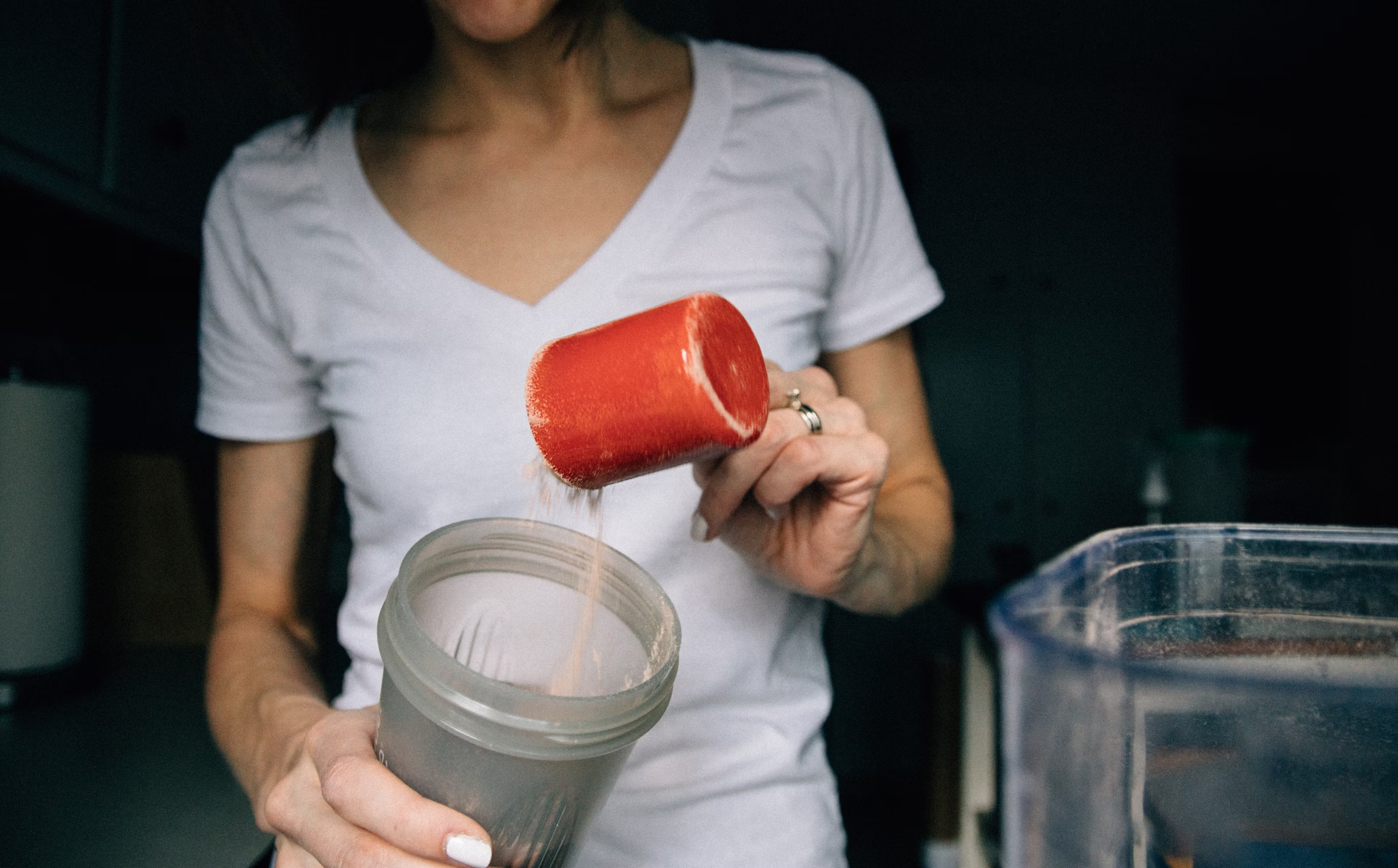
Image Credit: Kelly Sikkema from Unsplash
Where You Can Get It?
Whole-food protein sources are best. Mix and match through the day:
• Eggs, Greek yogurt, milk
• Chicken, fish, lean beef
• Beans, lentils, tofu
• Nuts, seeds
• Regular foods, like bread, pasta, and veggies also have small amounts
You don’t have to depend on supplements or huge shakes if your meals are balanced.
When Does Protein Become Too Much?
Getting a lot of protein isn’t instantly bad, but there are risks when you go heavy and neglect other parts of nutrition.
Here’s what excessive protein (especially through powders/supplements + huge servings) can lead to:
• Digestive troubles: bloating, gas, constipation
• Dehydration or high fluid needs
• Extra stress on kidneys
• Nutrient imbalance: if you fill up on protein, you might skip fruits, veggies, whole grains
• Unwanted calorie surplus: protein still has calories, and excess can become fat
The Mayo Clinic Health System shows that consuming more than about 40 grams of protein in one meal doesn’t significantly increase muscle benefit. While exact upper limits for teens aren’t established, they say for most teens a range above 1g per pound of body weight is rarely needed and may be too much unless under very specific athletic conditions.
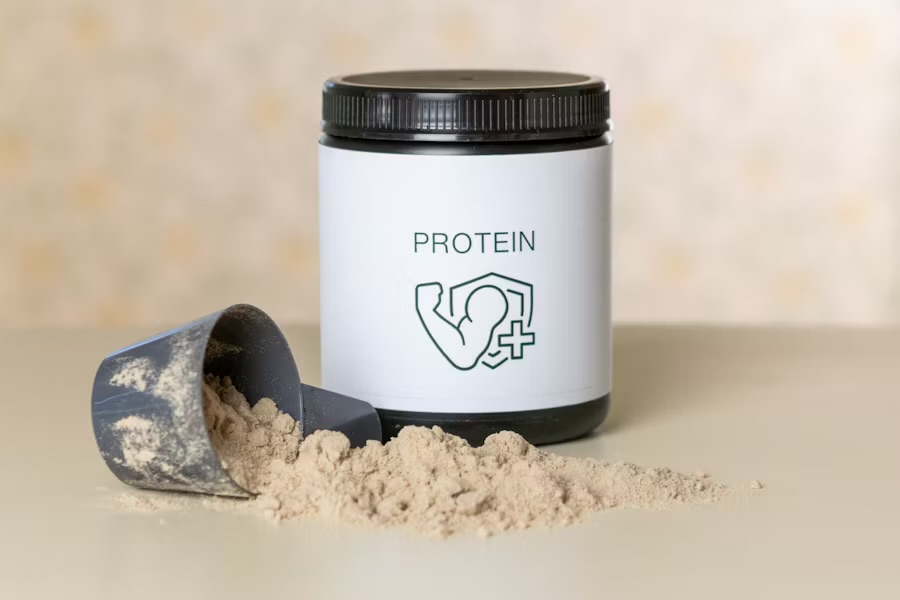
Image Credit: Aleksander Saks from Unsplash
Are Protein Shakes & Supplements Bad?
Not automatically, as if they’re used right, they can help a lot. But there are important warning.
It helps when:
• You’re a serious athlete doing lots of training
• You struggle to hit your nutrition goals via food
• You use them occasionally, not every hour
It’s dangerous when:
• You replace multiple meals with shakes
• You drink several shakes per day “just because”
• You ignore whole foods in favour of just “protein”
• You rely on them as a shortcut
Supplements can be useful; however, they’re not magical, and they don’t replace a balanced diet.
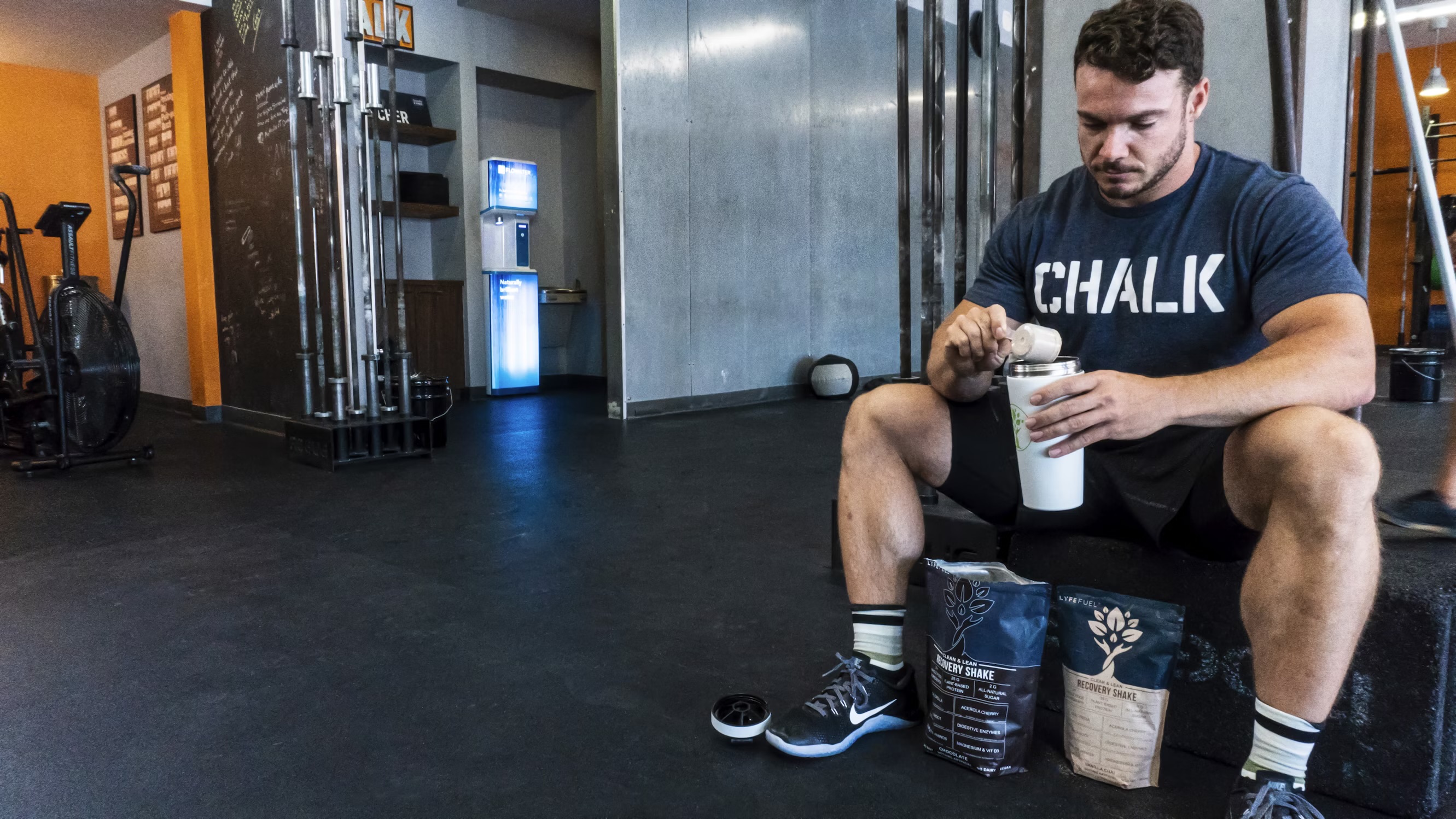
Image Credit: LyfeFuel from Unsplash
Why Teens Overdo Protein
It’s helpful to understand why so many teens go all in on protein:
• Gym culture & social media hype
• “More protein = more muscle” myth
• Fear of carbohydrates
• Convenience: powders are easier than cooking
• Peer/family/coach pressure (“you should bulk up”)
But remember: muscle growth, strength, optimal health = balanced nutrition + good sleep + smart training + rest. Not just protein.
How Much Is “Too Much”? Look Out For These Signs
There’s no “exact number” for everyone, but here are red-flags that you might be going overboard:
• Constantly bloated, gassy, or uncomfortable after meals
• Unusually thirsty or dry
• Fatigue despite eating “enough” protein
• You skip fruits or veggies or whole grains because you “hit protein” already
• You’re taking multiple shakes + lots of powders every day
• You rely on just high-protein foods and ignore variety
If you consistently hit very high totals (say >1 g per pound of body weight) and you’re skipping other carbs and fats or whole foods, you might be pushing too hard.
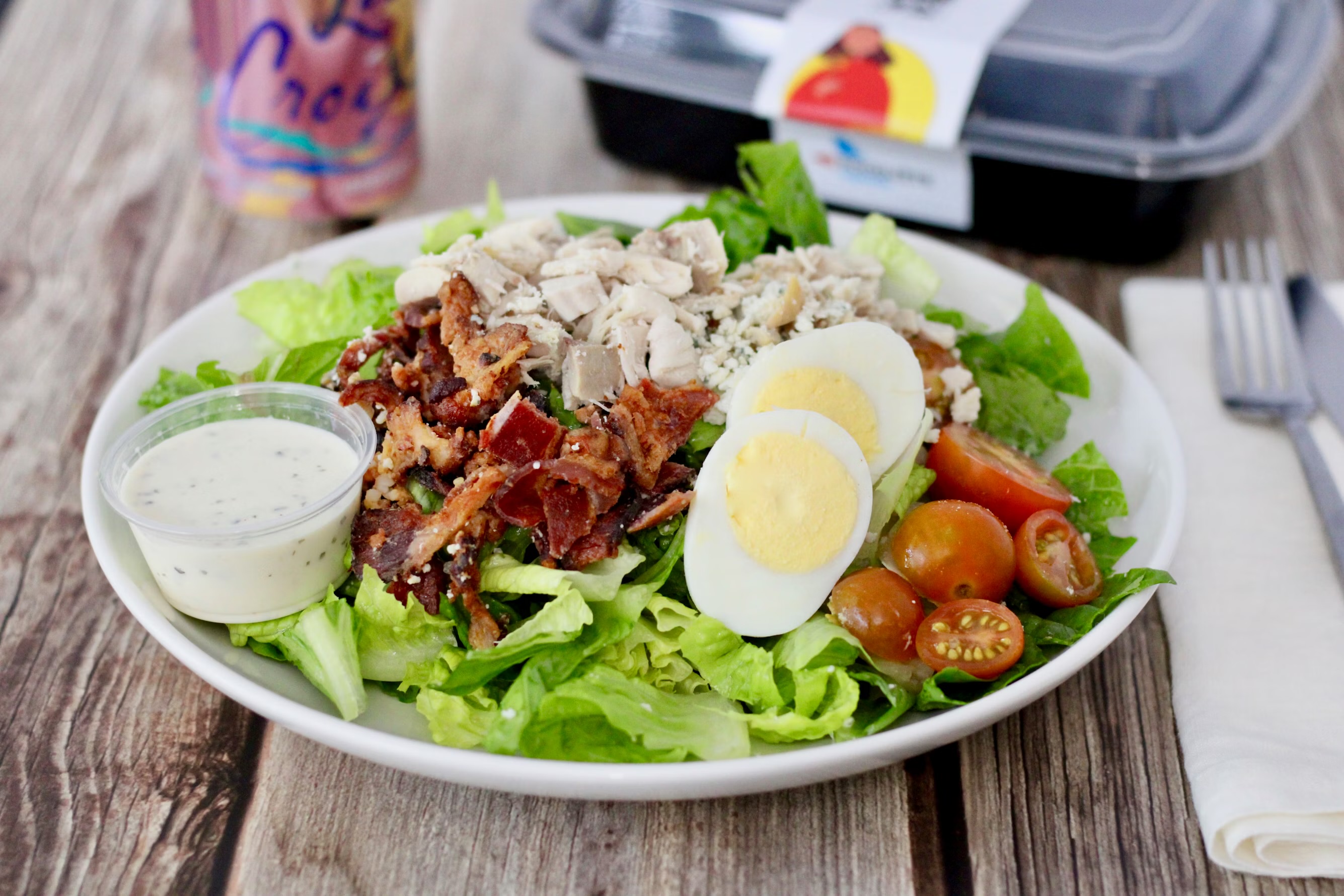
Image Credit: Logan Jefferey from Unsplash
A Better Way of Organizing
Here’s an easy way to think about your plate:
• ¼ of your plate = protein
• ¼ = whole grains or starchy vegetables
• ½ = fruits + non-starchy vegetables
• Don’t forget: healthy fats (nuts, avocado, fish, etc.)
Try to spread your protein across the day (not all at once) for better absorption and muscle repair. Meals + snacks both matter.
A Balanced Day of Protein for a Teen
Note, this is just an example; you don’t have to follow exactly this meal plan.
Breakfast:
Greek yogurt with mixed berries: ~20g of protein
Lunch:
Grilled chicken wrap with veggies: ~25g of protein
Snack:
Banana with peanut butter: ~8-10g of protein
Dinner:
Salmon + brown rice + steamed veggies: ~30g of protein
Daily Total: ~83-85g of protein
That’s in the range for an active teen athlete (depending on size & training), coming from mostly whole foods.
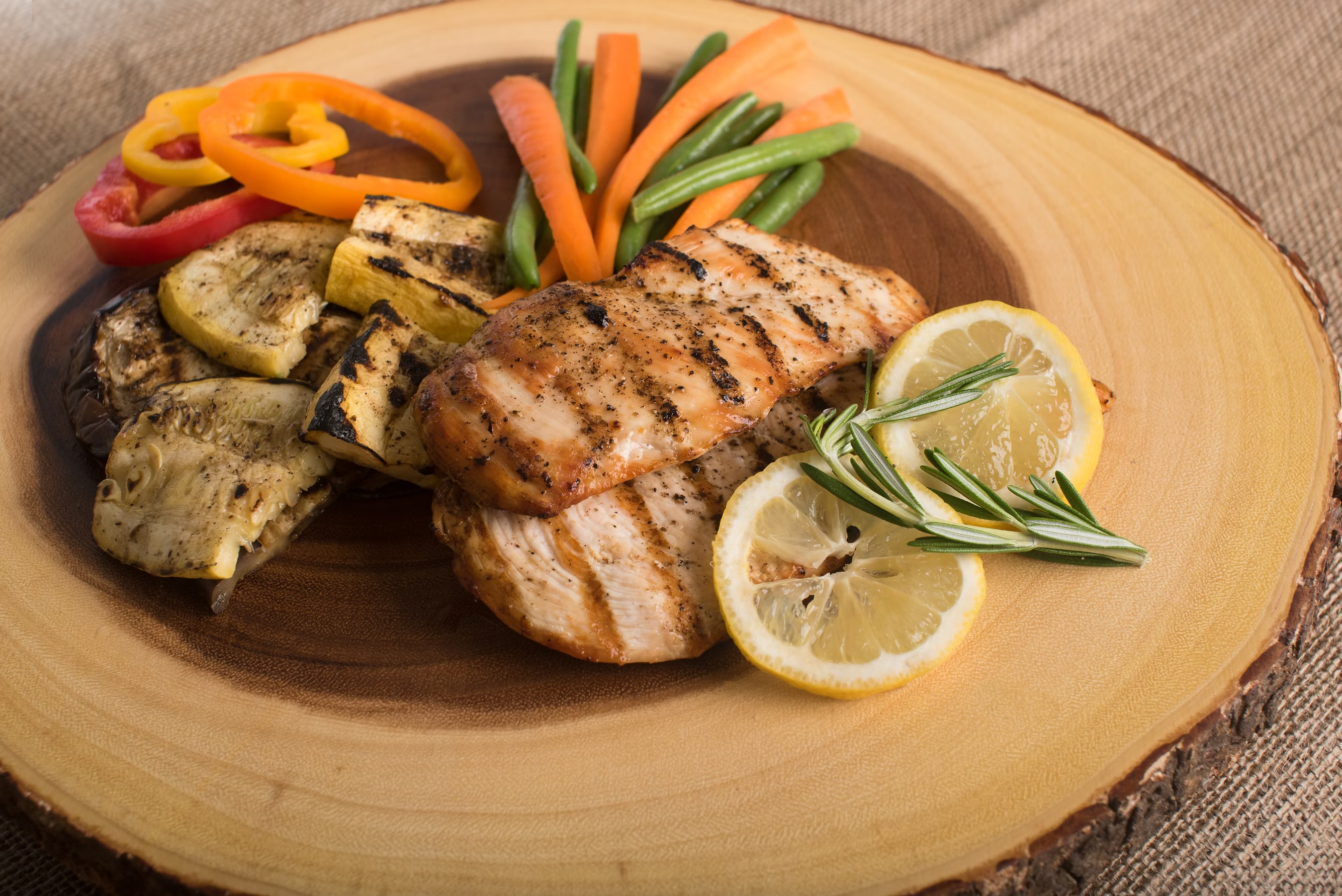
Image Credit: Mark DeYoung from Unsplash
Conclusion
Protein is vital, especially for growing, active teens. But more isn’t automatically better. You can usually cover your needs with everyday foods—and going way above it can come with downsides.
Smart steps to follow:
• Aim for your baseline (e.g., ~46 g for girls and ~52 g for boys) + a little extra if you train hard
• Use whole foods first; supplements only if needed
• Don’t sacrifice variety—carbs and fats also matter for fuel, recovery, and brainpower
• If you’re using shakes, keep them occasional and part of a full meal/schedule
• Listen to your body: energy, mood, recovery, focus all reflect your full diet
Your body is still growing and developing. Give it all the tools it needs, not just protein; because true strength isn’t how much you eat, it’s how well you care for yourself.