


At the dawn of 2025, a collective wave of nostalgia swept across TikTok and Instagram, carrying a very specific mission: Make this year feel exactly like 2015.
We were all suddenly obsessed with the idea of resurrecting an era that felt simpler, brighter, and infinitely more fun. Creators dusted off their old side-parts, queued up vintage Lorde and Taylor Swift playlists, and practically begged the universe to give us back the effortless, pre-"apocalyptic" vibes of a decade ago.
It was a beautiful dream, fueled by a desire to escape the hyper-digital exhaustion of the mid-2020s. For a few weeks, it genuinely felt like we might pull it off through sheer willpower and a lot of liquid eyeliner.
Let us slide into your dms 🥰
Get notified of top trending articles like this one every week! (we won't spam you)Disconnected Algorithm
But let’s be completely honest, the grand experiment to turn 2025 into the new 2015 ultimately fell short, and it all comes down to how much our digital culture has changed.
Back in 2015, the internet still felt like a giant, slightly messy playground. We posted grainy, unedited photos on Instagram just because we thought they looked cool, and Tumblr was a cozy sanctuary for fandoms and soft-grunge aesthetics. Fast forward to 2025, and the internet is a highly optimized, algorithmically driven machine.
When we tried to bring back 2015 trends this year, they didn't happen organically; they were packaged into curated "micro-trends" and "core" aesthetics designed to sell us things. You can't replicate the carefree energy of early internet culture when every move we make online is tracked, monetized, and analyzed by an algorithm.
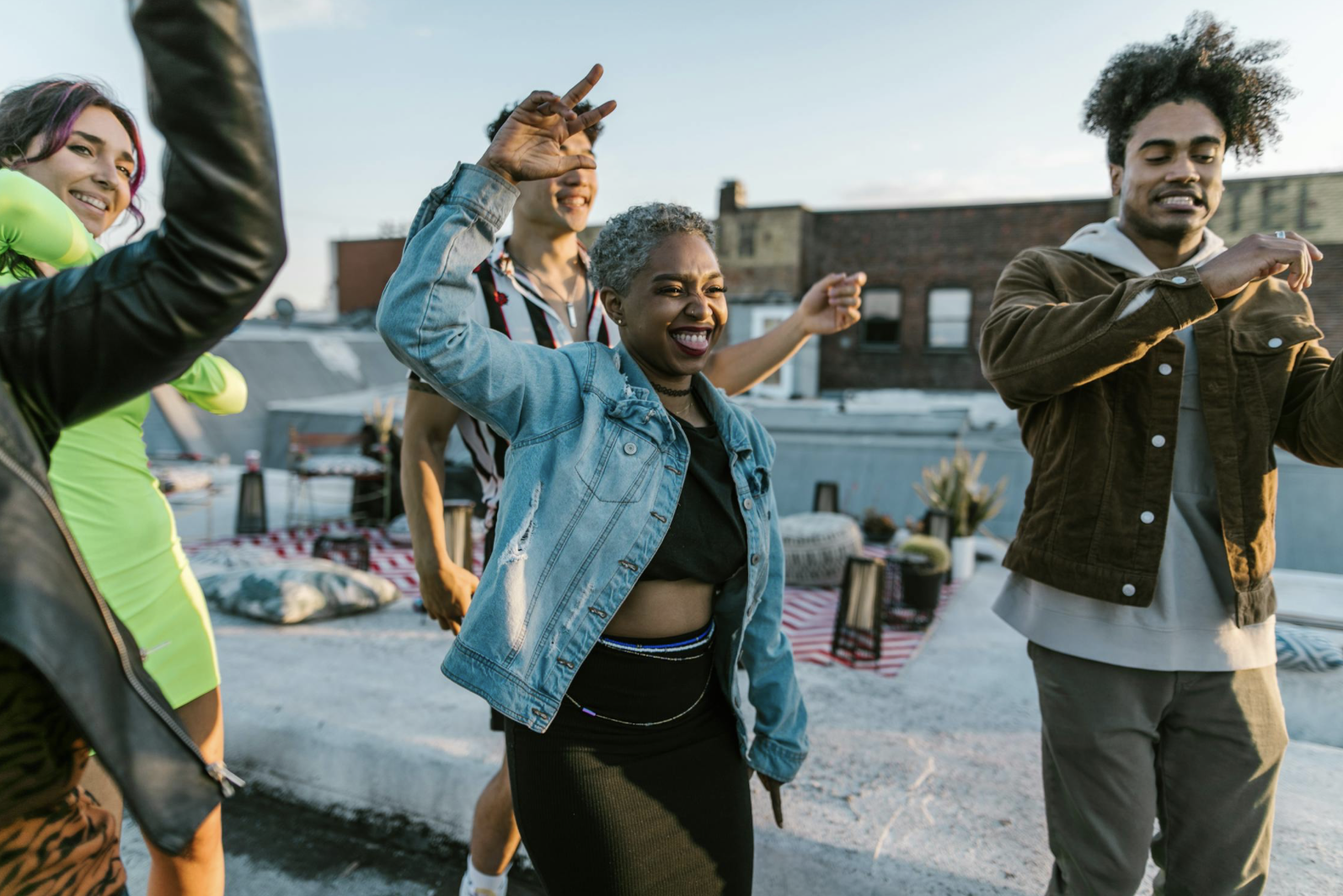
Image Credit: RDNE Stock project from Pexels

Take the Quiz: Which Female Character Trope Do You Belong To?
Whether it's in film, TV, or literature, you've likely come across these female character tropes. Take this quiz to discover which one best matches...
Replicating the Clothes, Missing the Vibe
The fashion revival of 2025 proved this disconnect perfectly, showing that you can copy the clothes but you can't copy the context. Sure, we saw a massive resurgence of skater skirts, button-up flannels, and statement necklaces in high-street stores this year. Gen Z and Gen Alpha shoppers proudly rocked outfits that looked straight out of a 2015 lookbook video.
However, wearing the uniform of a decade ago didn’t magically bring back the feeling of that era. In 2015, those styles felt fresh and slightly rebellious; in 2025, they just felt like costume design. The fast-fashion cycle of today burns through trends so quickly that the "2015 revival" was already being replaced by the next wave of nostalgia before the summer even ended.
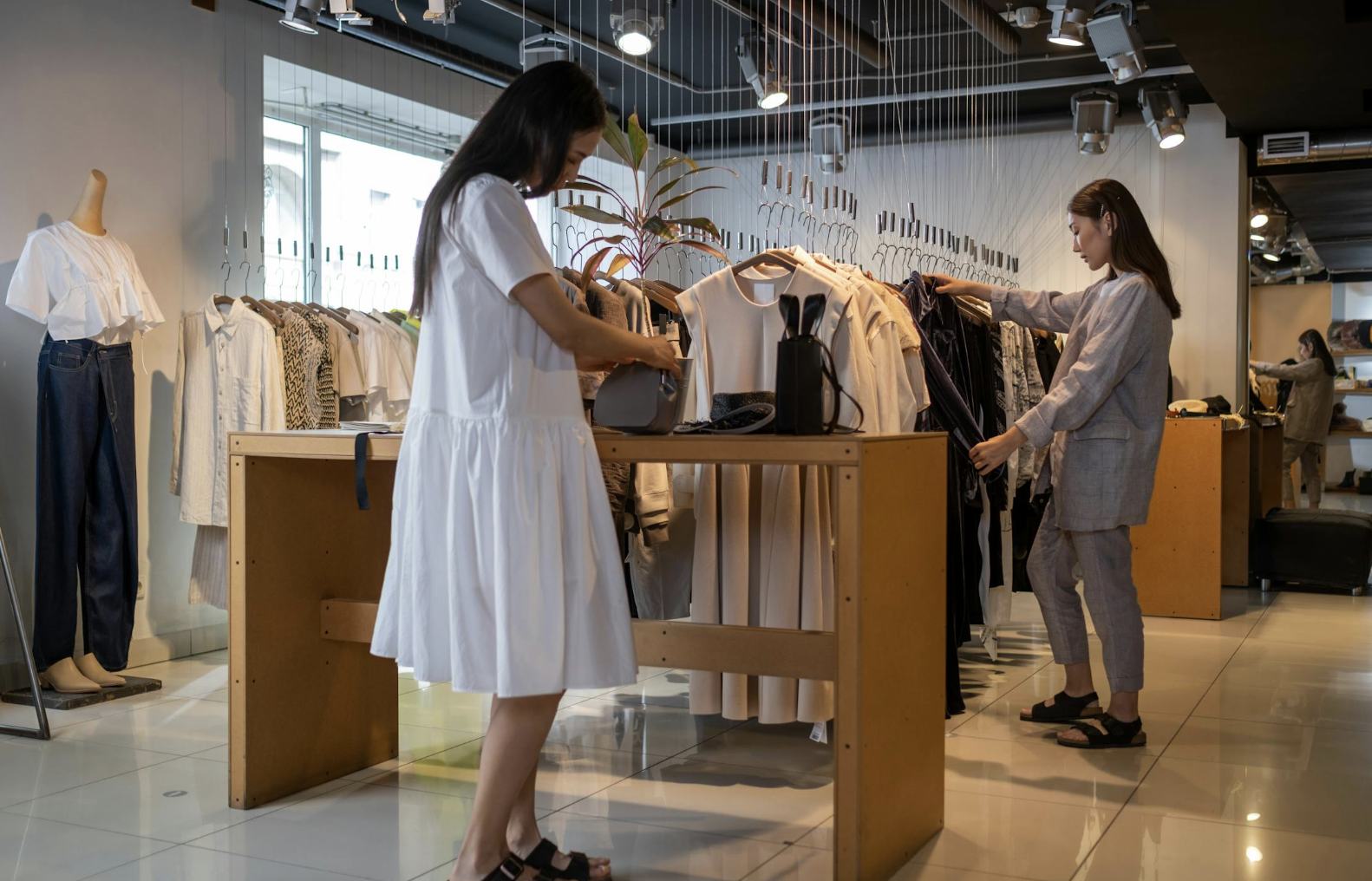
Image Credit: Ron Lach from Pexels
Different Worldviews
Another massive roadblock was the fundamental shift in our collective mental health and worldview. The year 2015 existed in a unique cultural sweet spot—it was an era of peak optimism, where it felt like the world was steadily progressing and the future was nothing but bright. We hadn't yet lived through a global pandemic, historic economic shifts, or the constant, heavy dread of climate anxiety that defines our current daily scroll.
Trying to force that innocent, carefree 2015 energy onto a 2025 headspace felt less like a genuine vibe and more like a coping mechanism. We are simply different, more resilient, and more cynical people now, and you can't un-know the history we've lived through just by blasting "Bad Blood" through your earbuds.
No More Monoculture
Musically and culturally, the landscape of 2025 also operates on an entirely different frequency than it did a decade ago. In 2015, pop culture was defined by massive, monocultural moments that absolutely everyone participated in—think the peak of The Hunger Games mania, One Direction's peak dominance, or the entire internet debating the color of "The Dress."
Today, our entertainment is completely fragmented into hyper-specific niches. While a pocket of the internet was trying to revive indie-sleaze and 2015 pop, the rest of the world was moving forward with entirely new sounds, genres, and virtual subcultures. There is no longer a single, unified cultural mainstream to capture, making it impossible for any past era to take over the collective consciousness the way it used to.

Image Credit: Vitaly Gariev from Pexels
Moving Forward, Not Backward
Ultimately, 2025 wasn't the new 2015, and honestly, that is probably for the best. While the nostalgia trend gave us a fun reason to look back and appreciate the pop culture goldmine of our childhoods, it also reminded us that time only moves in one direction.
Trying to clone a past year is a bit like trying to fit into your middle school jeans—it’s uncomfortable, it doesn't quite fit right, and it keeps you from appreciating who you are right now.
Instead of mourning the fact that we couldn't completely resurrect 2015, we should celebrate the unique, chaotic, and authentic culture we are building today. After all, ten years from now, a new generation will probably be romanticizing 2025, and we’ll want to remember it for what it actually was, not just as a carbon copy of the past.