





-compressed_page-0001.jpg)
If you're aspiring to pursue a career in medicine or healthcare, participating in extracurricular activities early is an excellent way to gain experience and strengthen college or medical school applications. Engaging in these activities can help you understand the realities of healthcare professions. Here are several ways you can get involved:
Let us slide into your dms 🥰
Get notified of top trending articles like this one every week! (we won't spam you)1. Volunteering at Hospitals or Clinics
Many hospitals, clinics, and nursing homes offer volunteer opportunities for students. Roles can range from assisting with patient check-ins and guiding visitors to helping with community outreach programs. Volunteering allows you to interact with patients and healthcare staff, providing firsthand insight into patient care while demonstrating empathy and dedication.


Take the Quiz: Which US Boarding School fits you best?
Find out where you should spend your high school career
2. Pre-College Summer Programs
Universities often offer pre-college summer programs focused on medicine, healthcare, or biomedical sciences. These programs typically include lab experiments, lectures from medical professionals, and even opportunities to shadow doctors. Participating in such programs can help you gain practical experience, develop a deeper understanding of medical topics, and strengthen your academic and extracurricular profile for future college applications. You should be careful with these, though, as many of them are extremely expensive.

Image Credit: Gustavo Fring from Pexels
3. Research Opportunities
Getting involved in scientific or medical research is a valuable way for you to explore the scientific process and contribute to meaningful discoveries. High school students can join local university labs, participate in science fairs, or apply for summer research programs. College students often have even more opportunities to conduct independent or collaborative research projects. Research experience teaches critical thinking and data analysis, both of which are essential in medicine.
4. Shadowing Healthcare Professionals
Shadowing doctors, nurses, or other healthcare providers allows you to observe the daily responsibilities of medical professionals. This experience can provide insight into the challenges and rewards of a healthcare career, help you explore different specialties, and build professional connections that may be valuable for recommendations or internships later on.
5. STEM Clubs and Competitions
Joining science, technology, engineering, or mathematics (STEM) clubs, like as HOSA (Health Occupations Students of America), robotics teams, or biology clubs, offers opportunities to develop teamwork and leadership skills. Participating in competitions or science fairs further demonstrates initiative and commitment to the sciences, and also allows you to explore topics related to medicine and healthcare innovation.
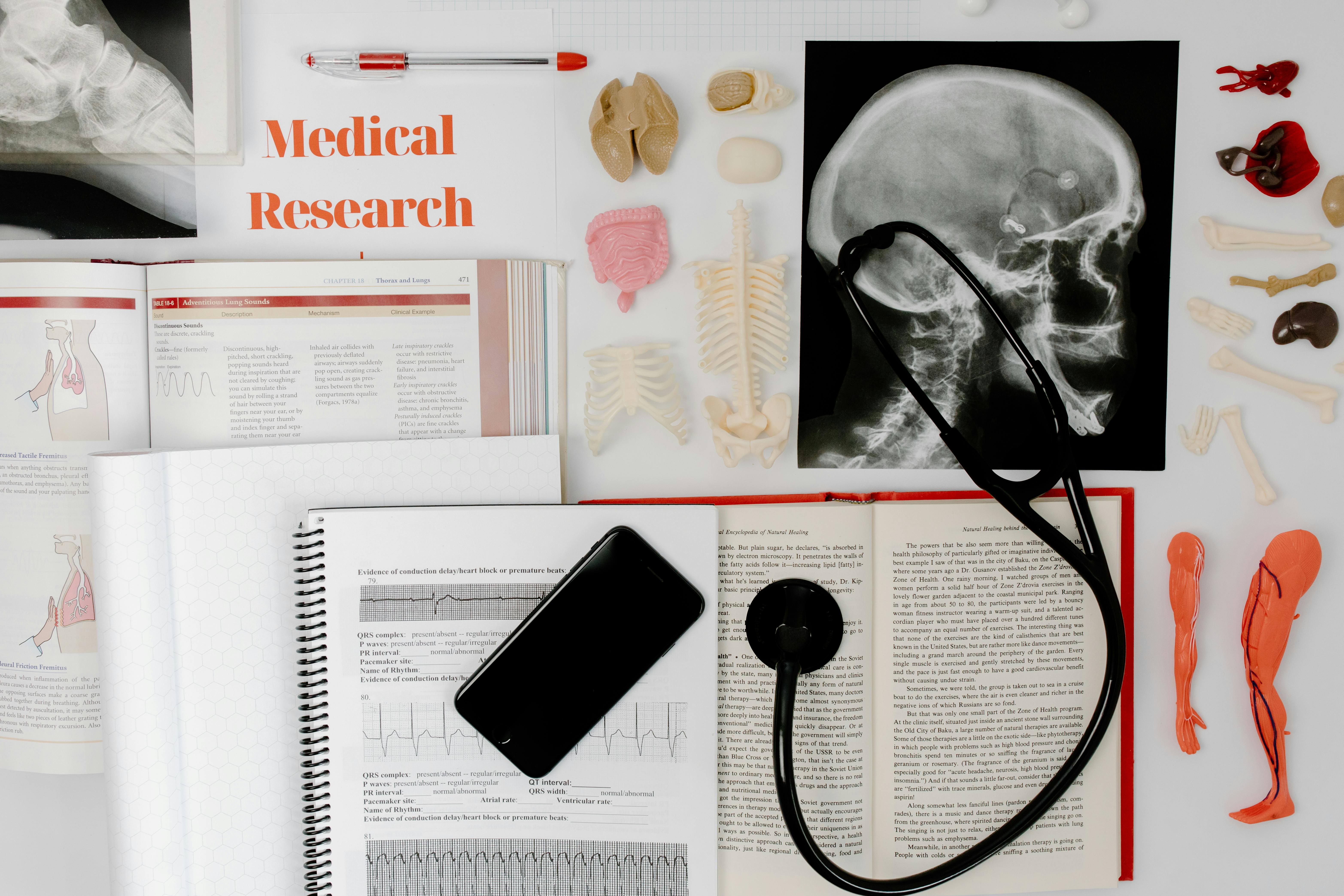
Image Credit: Tara Winstead from Pexels
6. Community Health Initiatives
You can make a direct impact on public health by participating in local initiatives such as organizing blood drives, volunteering for vaccination campaigns, or leading health awareness workshops. These experiences not only strengthen leadership and communication skills but also show a dedication to improving the well-being of others.
7. Additional Activities
Other valuable extracurriculars include joining medical-related online courses, attending health or science seminars, and participating in mentorship programs with healthcare professionals. Even creative ways to explore medicine, such as health-related podcasts or writing articles about medical topics, can demonstrate curiosity, dedication, and initiative.
By participating in these extracurricular activities, pre-med and pre-health students gain practical experience and explore potential career paths. These experiences help students build strong applications for college and medical school and also allow them to make meaningful contributions to their communities
-compressed_page-0001.jpg)