







Doing your part to help animals in a world set on harming them is often viewed as difficult and costly. Fortunately, small actions from individuals can have a lasting impact on animal conservation. Here are some simple ways for you to help animals in a way that is easy but also effective.
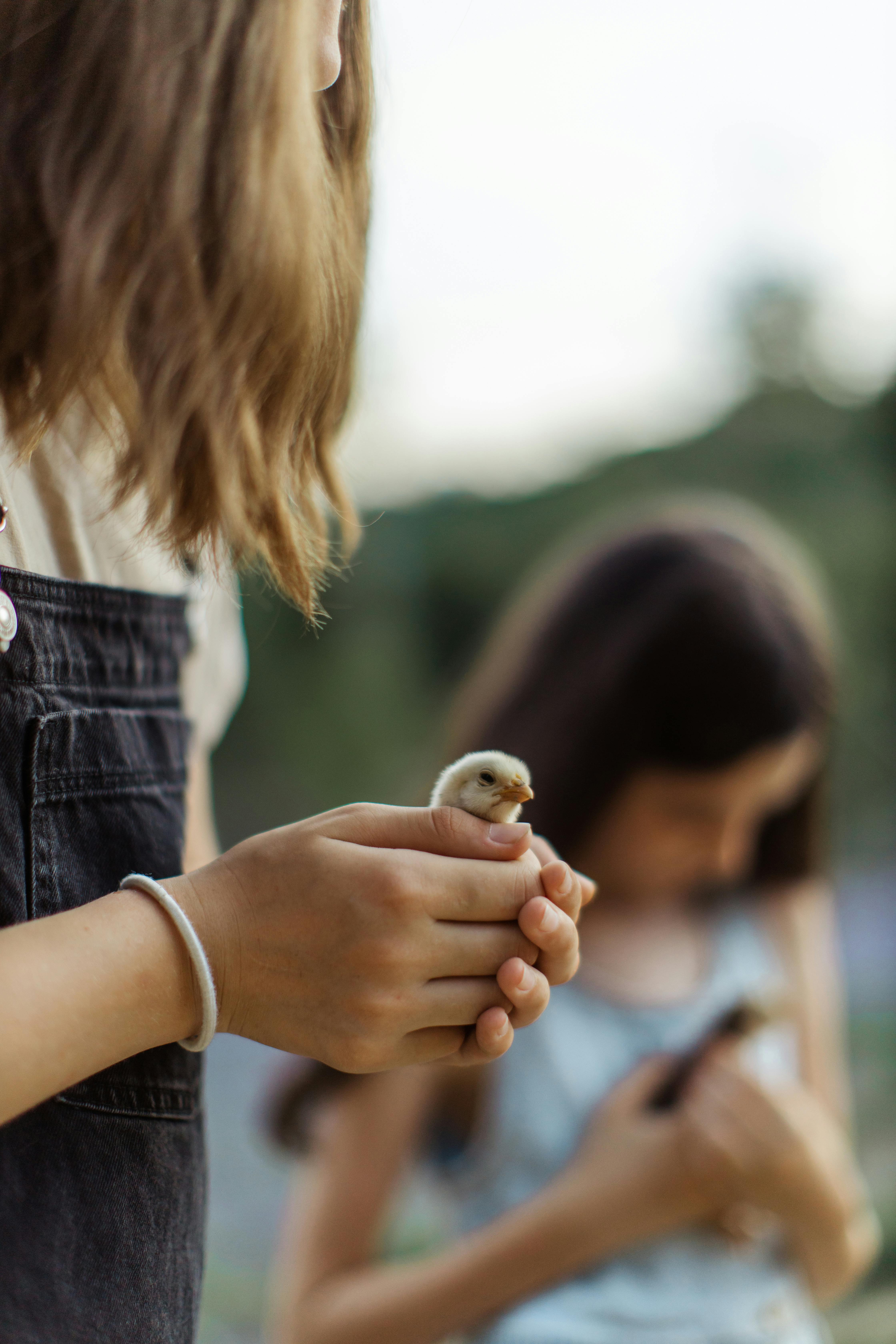
Image Credit: Anastasia Shuraeva from Pexels
Let us slide into your dms 🥰
Get notified of top trending articles like this one every week! (we won't spam you)Avoid Picking up and Touching Animals
Amphibians and some fish can breathe through their skin, which means they are extremely vulnerable to contamination. Due to this special feature known as cutaneous respiration, in which animals can absorb oxygen through their skin directly into their bloodstream, these animals are extremely sensitive.
Picking up amphibians and some fish allows them to absorb a variety of germs and chemicals that may be on your hands. Anything on your hands enters into an amphibian's body and can have extremely negative effects. Picking up multiple amphibians without cleaning your hands in between can easily spread diseases across species' populations, as well as introduce animals to germs from other species.
Avoid picking up or touching amphibians, especially wild ones, unless necessary. This is a general rule for all wildlife, as picking up any wild animal or touching it can cause great stress. If you need to pick up an amphibian, rinse your hands with fresh water—do not use soap or hand sanitizer.
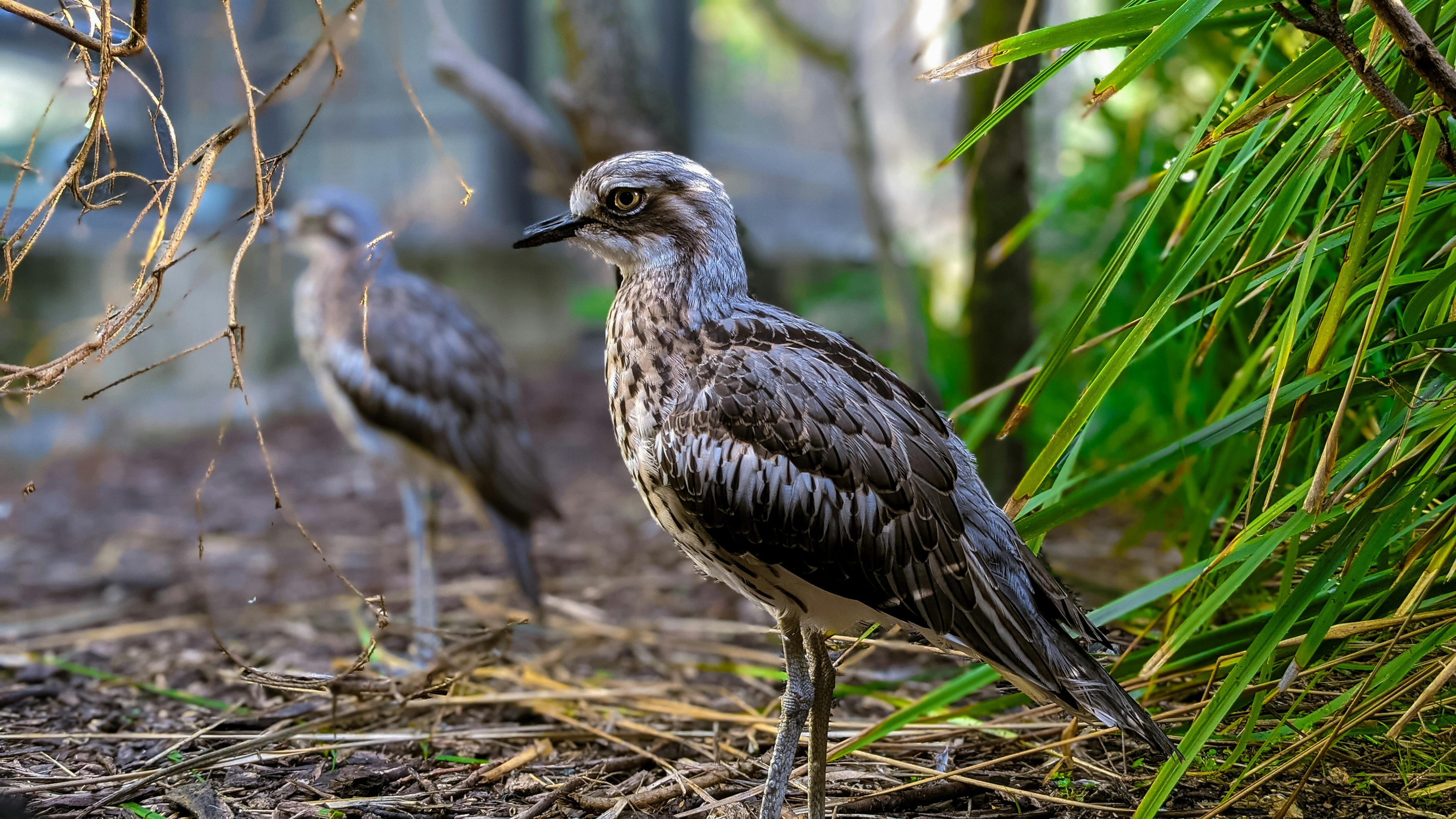
Image Credit: Kizhakke Vdu from Pexels
Take the Quiz: What Type of Notes Should I Take?
Discover the best note-taking method for your learning style!
Bird-Proof Your Windows
Windows are a huge risk for birds, as they are unable to see the glass. Millions of birds each year die or are injured from flying into windows. Collisions are especially common in low buildings, as windows closer to the ground tend to reflect the trees and the sky. According to the National Audubon Society, almost 1 billion birds are killed in collisions with glass in buildings each year.
This number could easily be lowered if people simply made their windows bird-safe. To help protect birds from this danger, you can add a screen to your windows or pull down the shades, blinds, or curtains when possible. This can help birds clearly see the windows and avoid a collision.
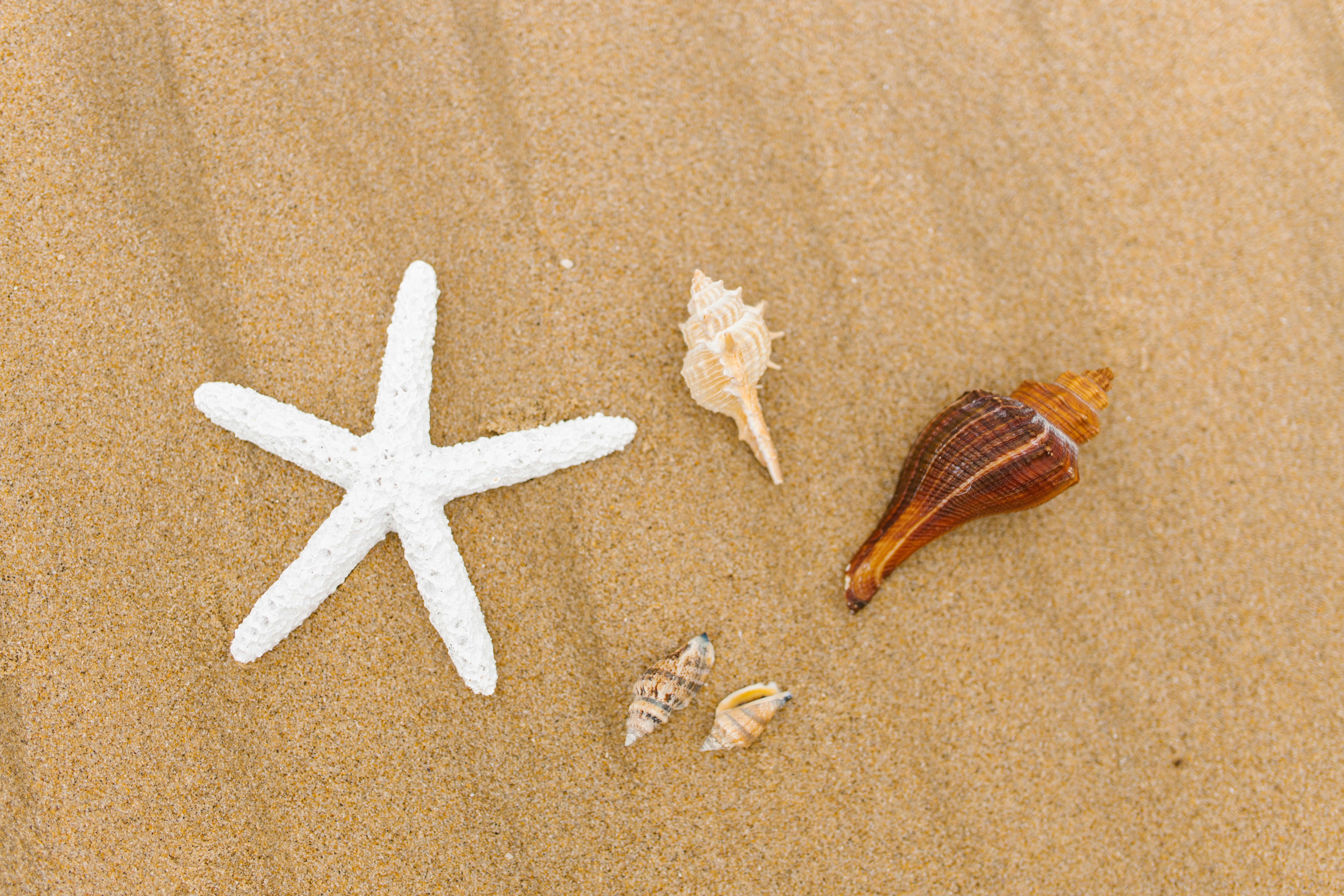
Image Credit: RDNE Stock project from Pexels
Leave Rocks and Shells on the Beach
Taking a rock, shell, or piece of dead coral from a beach can be a fun keepsake, but unfortunately this can negatively affect coastal animals and ecosystems. Some animals, like hermit crabs, rely on existing shells to create homes for themselves. Ocean plants and animals may also use shells to anchor themselves in the water against currents or to hide from predators.
Further, shells, rocks, and dead coral break down to form sand and to allow new shells to be formed. Certain sea creatures use calcium carbonate, formed from broken down bits of rocks and shells, to make their own exoskeletons. When animals do not have an exoskeleton, they are left unprotected against predators.
The simplest way to solve this problem is to leave shells or rocks at the beach. Take pictures but leave the objects where you found them. This philosophy is applicable to all natural spaces, not just the beach.
Conclusion
There are many great ways to help animals that are both easy and impactful. Be sure to do your part in protecting wildlife and nature in every way that you can, because little actions from individuals can build up over time to make a difference in animal and environmental conservation.
