



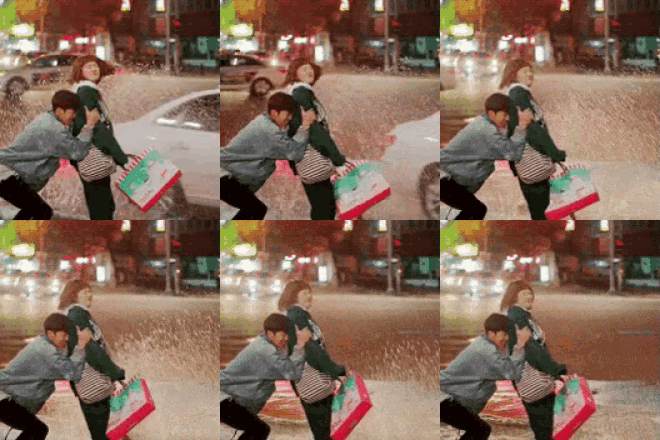


You’re hunting Pikachu on Pokémon Go, Justin Bieber’s new album has just been released, and you’ve just started your Snapchat streaks using the dog filter → 2016 is back.
Since late 2025, social media has been flooded with the hashtag #2026isthenew2016, a trend that allows Gen Z to escape the oppressive world around them through nostalgia for the year 2016.
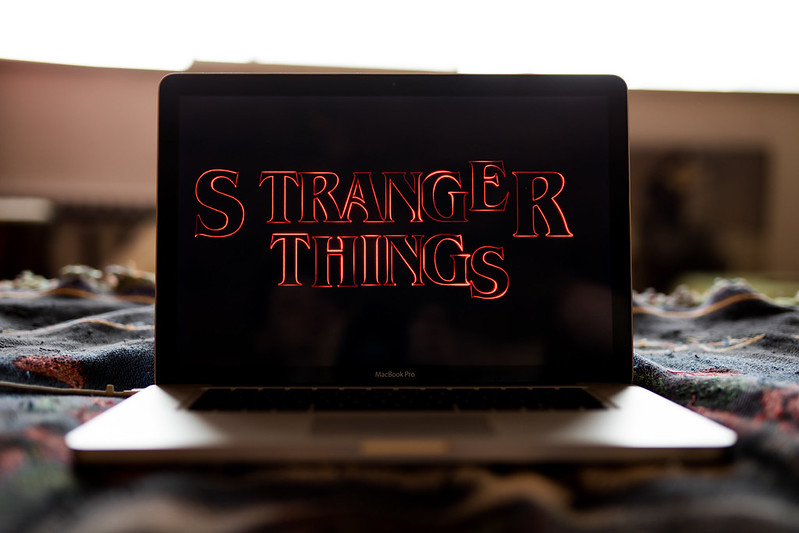
Popular for its music, its movie releases (such as the beginning of Stranger Things, which ended in 2026), or simply for its aesthetic → it’s at the heart of everyone’s FYP.
And after seeing 10 videos with the same theme, you start wondering: why 2016? It could have been 2017 or even 2010. Or simply, “2026 is the new 2016”? Credit Image: Pixabay from Pexels
Let us slide into your dms 🥰
Get notified of top trending articles like this one every week! (we won't spam you)The Core Trend
The trend is based on an intense nostalgia for the year 2016, considered by many to be a simpler, happier time, marked by a very distinctive Internet culture.
For many members of Gen Z, 2016 also corresponds to childhood or early adolescence, a period often associated with carefreeness and less social pressure.
As a result, the trend brings back old filters like the Snapchat dog filter or the pink filter returning on Instagram, iconic music from that era, and influencers posting photos of themselves from 2016.
For example, Demi Lovato, the American actress, posted a video on her TikTok account in which she lip-syncs, accompanied by the caption “Happy 2016.” The video has accumulated nearly five million views!
A huge wave of nostalgia is currently taking over the world, even though some people don’t really know why 2016 was chosen among so many other years.

Take the Quiz: Religion, Schools, and Equality
Religion in Schools: Teaching Respect, Not Bias.
The Year 2016 In Brief
As I mentioned earlier, this year is perceived as a time when everything was simpler. As you know, it was in 2019 that COVID broke out, which is why 2016 is also considered a pre-pandemic era.
2016 was also a year when AI was not omnipresent; in fact, TikTok was still called Musical.ly!
On top of that, the famous series Stranger Things (which ended in early 2026) and many other successes were released that year, along with trends like Pokemon Go, the Bottle Flip Challenge, and music such as Panda, Black Beatles, or Starboy.
Credit Image: Quote Catalog.jpg from Wikimedia Commons
Today’s Internet users are bombarded with AI absurdities, with deepfakes becoming increasingly difficult to detect, popularizing the “dead Internet theory.”
But as I said, there weren’t only good things that year.
The conflict in Syria, the rise in the number of refugees… and even if it was less noticed, the expression “FxCK 2016” appeared at the same time as the trend “2016 is back.”
This trend revives the nostalgia of a time when the world felt less anxious and oppressive, and when you think about it, maybe that’s why we travel back in time?
Escaping an Anxiety-Inducing World?
Interviewed by the French magazine Madame Figaro, psychologist Delphine Py reminded us that this mechanism is classic during times of crisis:
“When the present is unclear or gloomy, the past becomes something familiar and reassuring. 2016 naturally refers to a time when everything seemed a bit lighter,” also emphasizing that memory often idealizes the past. She added: “It was the beginning of social media; there was less algorithmic pressure.”
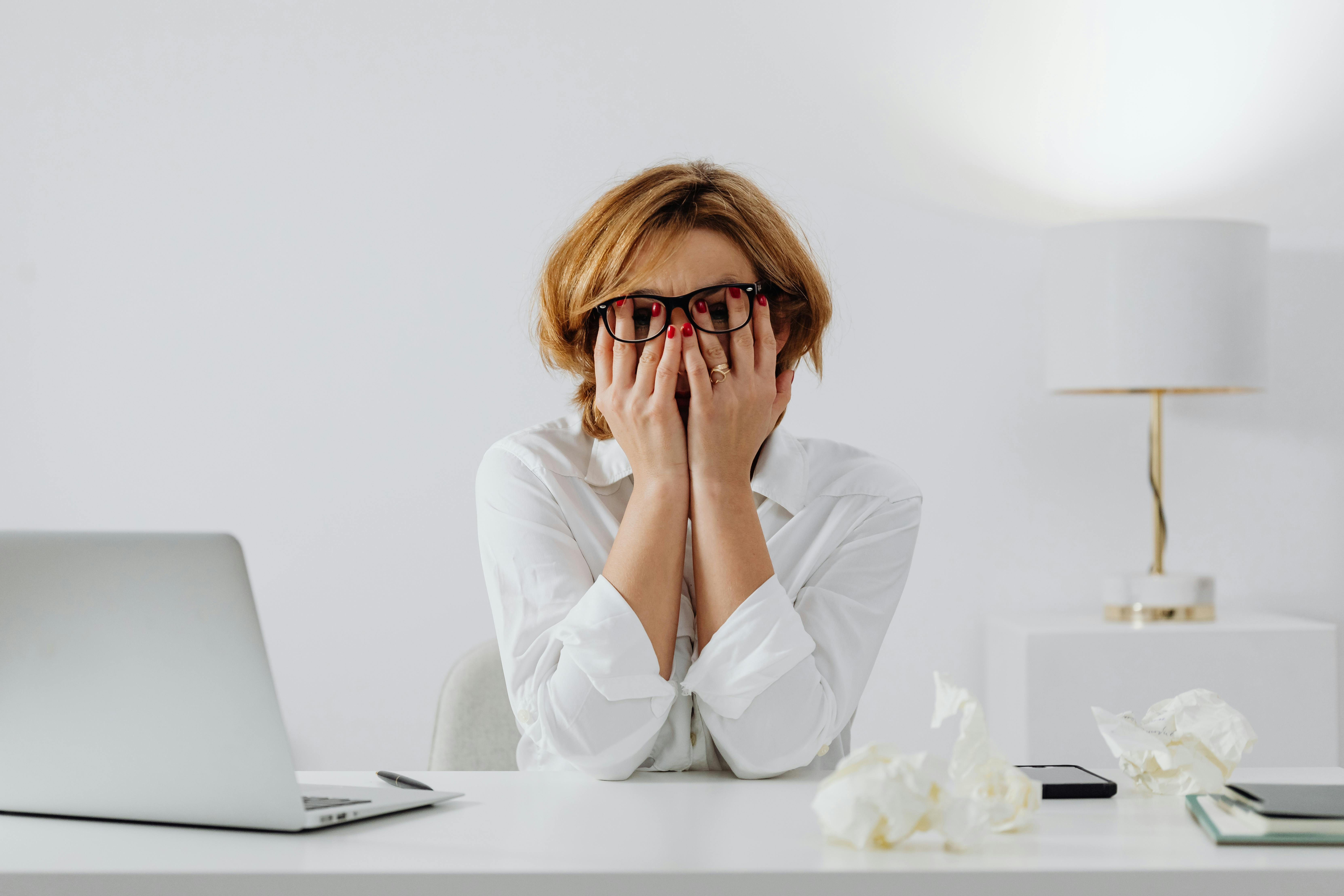
With AI, doomscrolling, trends, aesthetics, comparison, and addiction, the Internet isn’t exactly rosy—especially when it’s poorly managed, which can be complicated for some teenagers.
Of course, some people think, “It’s just a trend that will disappear in a few weeks,” and I thought so too. But after researching for this article, I realized that it actually has a significant impact.
Credit Image: Karolina Grabowska www.kaboompics.com from Pexels
The Impact, Backed by Statistics
This isn’t just a feeling: the numbers confirm the trend.
According to Spotify, playlists titled “2016” saw a 71% increase last year compared to 2024. At the same time, iconic artists from that era are also making a comeback.
TikTok has also observed an explosion in interest: searches related to “2016” increased by 452% in one week, and more than 55 million videos have been posted using a filter named after that year.
Conclusion
In conclusion, the trend “2026 is the new 2016” is based on deep nostalgia whether for music, movies, filters, or even the way social media used to be.
So, to escape an anxiety-inducing society, Gen Z has decided to go back ten years.

