






Procrastination is something that almost every student knows too well. You sit down to start homework, and suddenly your phone becomes the most interesting thing in the world. Or maybe you open your laptop to write an essay, but somehow end up scrolling TikTok for an hour, and the computer is just there for the aesthetic.
The truth is distractions are everywhere, and concentration doesn’t always come easily. But the good news? With the right strategies, you can train your brain to focus better, manage your time, and actually get things done without feeling so stressed.
This article gives you tips, backed up by science, and practical tricks to improve concentration and stop procrastinating. Whether it’s homework, test prep, or just daily responsibilities, these strategies can help you take control and focus.
 Image Credit: Jason Leung from Unsplash
Let us slide into your dms 🥰
Get notified of top trending articles like this one every week! (we won't spam you)1. Understand Why You Procrastinate
Before beating procrastination, it helps to know why it happens. Psychologists say that procrastination often comes from avoiding tasks that feel boring, hard, or stressful. Instead of starting, your brain chooses something easier and more fun, like texting or watching videos. It’s not about being “lazy,” it’s actually about your brain trying to escape discomfort.
A study in Psychology done by Fuschia M. Sirois and Timothy A. Pychyl actually found that people procrastinate because they’re more focused on avoiding negative feelings in the moment rather than the long-term benefits of completing the task. That means the first step to breaking the cycle is recognizing that urge and learning to push past it with healthy habits.
Take the Quiz: Which Extracurricular Activity Fits Your Personality?
Want to take up an extracurricular activity but not sure which one fits your personality? Then this is the quiz for you!
2. Create a Study Environment That Works
Where you study can either help or hurt your focus. If your environment is full of distractions, your brain will keep finding excuses to drift away from the work. Try these tips to focus better:
Keep it clean and simple. Research shows clutter can increase stress and lower productivity. A clearer desk gives you a clearer mind.
Limit digital distractions. If your phone keeps buzzing, put it in another room or use apps like Forest or Focus, which will encourage you to stay away from your phone.
Control noise. Some people focus best in silence, while others need background noise. Studies have found that listening to music without lyrics can improve concentration. Experiment to see what works for you.
Lighting matters. Natural light boosts alertness and mood, but if that’s not possible, use a bright desk lamp instead of working in dim lighting.
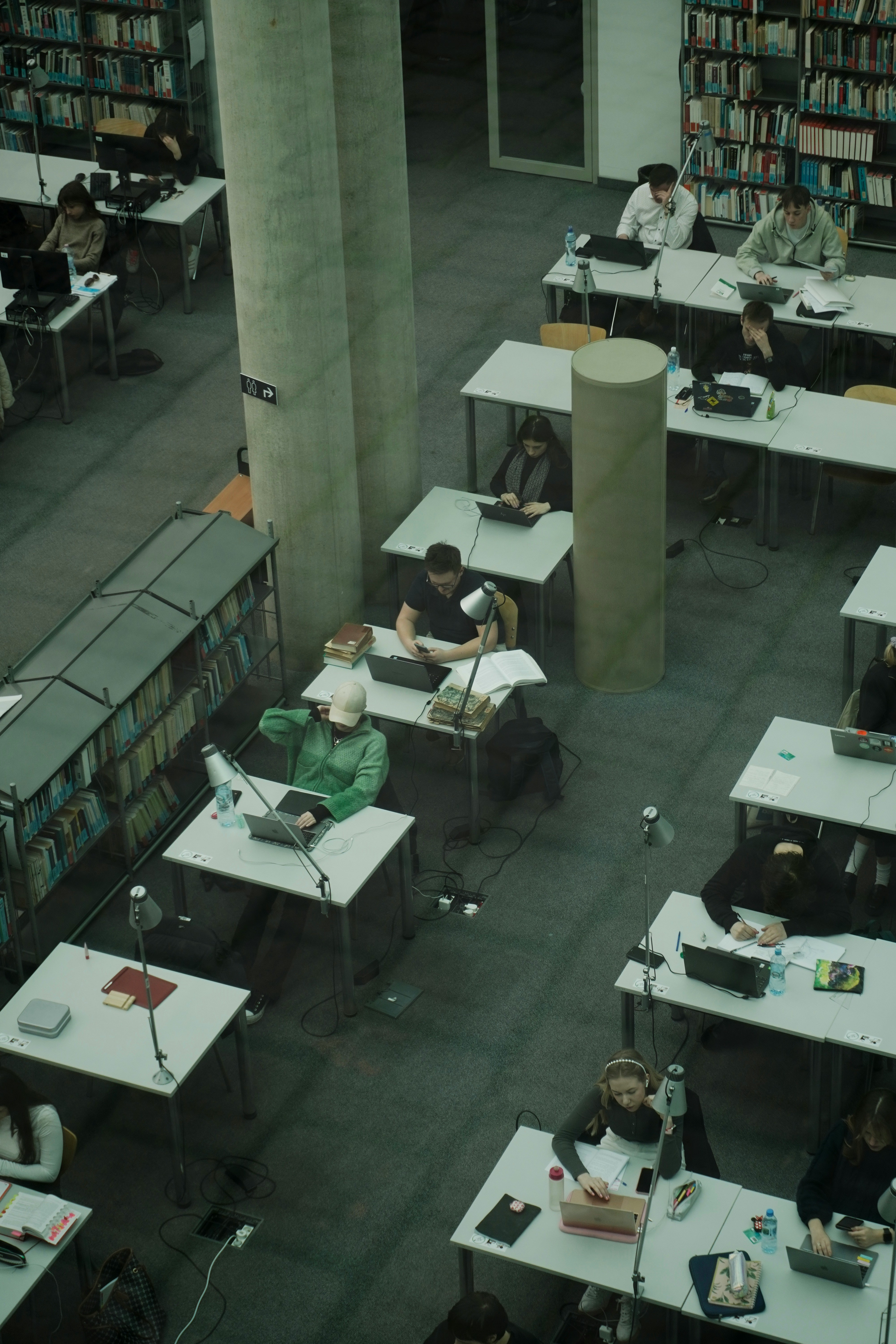
Image Credit: Yuliia Kucherenko from Unsplash
3. Break Big Tasks Into Small Steps
One reason people procrastinate is that a task feels too big. Writing a 10-page paper might seem overwhelming, so you avoid it. But breaking it down makes it less scary.
Try this method:
- Write down the big task.
- Divide it into smaller, specific steps (example: researching only 3 sources at a time).
- Focus only on the next step instead of the whole project.
This technique works because progress builds momentum. Psychologists call it the "Zeigarnik effect"; this is when our brains have the tendency to finish what we start. Once you get into the rhythm of studying, you’re more likely to keep going instead of stopping every 5 seconds.

Image Credit: Energepic.com from Pexels
4. Use the Pomodoro Technique for Smarter Breaks
Your brain can’t focus for hours without rest. That’s where the Pomodoro Technique come in. It’s a time management method developed in the 1980s, and many students swear by it. Here’s how it works:
- Set a timer for 25 minutes and work with full focus.
- Take a 5-minute break (stretch, grab water, walk around).
- Repeat this cycle 4 times, then take a longer 15–30-minute break.
Research shows that taking short breaks improves mental sharpness and reduces tiredness. Think of it like giving your brain a quick recharge so it can keep going strong.
5. Manage Your Breaks Wisely
Breaks are important, but not all breaks are equal. If you spend every break glued to your phone, it’s harder to get back into focus mode. Instead, try activities that refresh your brain without overstimulating it:
- Stretch or do a few jumping jacks to wake up your body.
- Drink water or have a light snack (hydration helps concentration).
- Step outside for fresh air; natural environments are proven to reduce stress.
- Listen to music or doodle, something creative but low-pressure.
The key is to use breaks as something that will re-energize you, not as rabbit holes that suck you in for an hour.
Image Credit: Mindspace Studio from Unsplash
6. Build a Consistent Routine
Your brain loves patterns. When you study at the same time each day, your body starts to expect it, making it easier to focus. Think of athletes, they train at regular times to build muscle memory. You can train your brain the same way.
Tips for building a routine:
- Pick a regular study time (for example, after school from 4–6 PM).
- Stick to the same study space when possible.
- Start with a ritual, like making tea or writing a to-do list, to signal “study mode” to your brain.
Studies show consistent routines reduce procrastination because they turn effort into habit, meaning you rely less on motivation and more on structure.

Image Credit: Suzy Hazelwood from Pexels
7. Set Goals and Reward Yourself
Motivation increases when you know what you’re working toward. Instead of saying, “I’ll study all night,” set clear, realistic goals like, “I’ll finish math problems 1–10.”
Once you hit a goal, reward yourself. Rewards don’t have to be big. Watching a short YouTube video, grabbing a snack, or texting a friend can give your brain a dopamine boost that keeps you moving forward.
According to a neuroscience research by researchers at the Allen Institute, rewards make positive habits more frequent by making your brain associate focus with something enjoyable.
8. Stay Physically Healthy for Better Focus
Concentration isn’t just mental, it’s also physical. Your brain works better when your body is cared for. Here’s what science says helps:
Sleep: Teens need 8–10 hours a night. Sleep deprivation makes it harder to focus, remember, and problem-solve.
Exercise: Even short daily workouts improve memory and focus by boosting blood flow to the brain.
Nutrition: Foods rich in omega-3s (like fish and nuts) and carbs (like whole grains) fuel good brain energy. Too much sugar can cause crashes that hurt focus.
Hydration: Even mild dehydration reduces concentration. Keep a water bottle nearby.

Image Credit: Kaylee Garrett from Unsplash
9. Use the “Two Minute Rule”
If a task takes less than two minutes, do it immediately. This helps prevent small tasks from piling up. For example, sending a quick email or putting away your laundry right away saves you from being distracted by it later.

Image Credit: Philippe Bout from Unsplash
It also helps with procrastination. If you’re struggling to start a big task, just promise yourself to work on it for two minutes. Often, starting is the hardest part. Once you begin, you’ll probably keep going and feel more motivated to do other tasks.
10. Be Kind to Yourself
Lastly, remember that nobody is perfectly focused all the time. Everyone procrastinates sometimes. Beating yourself up for it usually makes things worse. Instead, recognize when you slip, reset, and get back on track.
Psychologists say self-compassion leads to better motivation than guilt or harsh self-criticism. Think of it like this: you’re training your brain like a muscle. It takes practice, patience, and persistence.
Concentration isn’t about working harder for longer; it’s about working smarter. By creating a good environment, managing time with techniques like Pomodoro, taking healthy breaks, building routines, and caring for your body, you’ll find it easier to focus and finish tasks.
The more you practice these habits, the more natural they’ll become. And the best part? You’ll have more free time to enjoy the things you actually want to do, without the stress of unfinished work hanging over your head.